
🌿 Your Gut and Brain Are Deeply Connected: How Nutrition Influences Mood Stability
Learn how nutrition supports emotional balance through the gut–brain axis, inflammation regulation, and blood sugar stability using evidence-based strategies.
By Marjorie DiCarlo, M.D., Ph.D., M.P.H.
🌿 Introduction: Mood Is Both Psychological and Physiological
Mood is often described in emotional terms—shaped by stress and daily experiences. While these influences are real, emotional steadiness is also biological.
According to Harvard Health Publishing, emerging research in nutritional psychiatry suggests that overall diet quality is associated with emotional well-being and stress resilience. Nutrition influences brain chemistry, inflammatory balance, and metabolic stability.
Emotional regulation reflects communication between the nervous system, endocrine pathways, immune signaling, and digestive function—commonly referred to as the gut–brain axis.
🌿 Neurotransmitters, Inflammation, and Mood Mechanisms
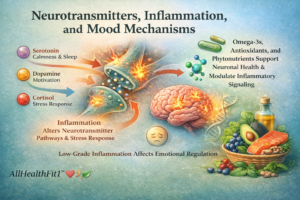 Several neurochemical messengers play central roles in emotional balance:
• Serotonin supports calmness and sleep
• Dopamine influences motivation
• Cortisol regulates stress response
Inflammatory signaling may influence how these messengers function. Research published in PubMed indicates that chronic low-grade inflammation can alter neurotransmitter pathways and stress-response systems.
Dietary patterns rich in omega-3 fatty acids, antioxidants, and phytonutrients may help support neuronal integrity and modulate inflammatory signaling. Emotional regulation reflects biochemical steadiness—not simply mindset alone.
🧪 Understanding Inflammatory Burden
Chronic, low-grade inflammation is often silent yet may influence immune signaling and neural communication that affect mood and stress resilience.
High-sensitivity C-reactive protein (hs-CRP) assesses systemic inflammatory activity. Produced by the liver in response to inflammation, the high-sensitivity version detects subtle elevations associated with chronic inflammatory burden.
While hs-CRP does not diagnose a specific condition, it may provide insight when interpreted within clinical context. For individuals experiencing persistent fatigue or mood variability, discussing inflammatory assessment with a licensed healthcare professional may be appropriate.
👇 Ready to understand your inflammatory profile? Explore hs-CRP testing options below.
🌿 Blood Sugar Stability and Emotional Resilience
Glucose regulation plays a central role in mood consistency.
The Mayo Clinic explains that balanced nutrition supports metabolic stability and steady energy availability. Rapid blood glucose fluctuations may increase cortisol release and contribute to irritability, fatigue, and mental fog.
Balanced meals combining protein, fiber, complex carbohydrates, and healthy fats promote steadier glucose release and support emotional regulation.
🧪 Evaluating Long-Term Glucose Trends
The Hemoglobin A1c (HbA1c) test measures average blood glucose over approximately two to three months by detecting sugar attached to hemoglobin in red blood cells.
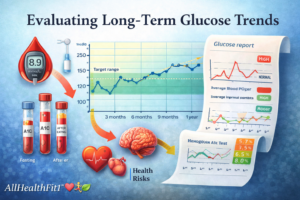 Clinically, it is used to diagnose diabetes, identify prediabetes, and monitor long-term blood sugar control. Reviewing HbA1c trends may provide insight into metabolic stability when interpreted professionally.
Consistent, nutrient-dense dietary patterns support both glucose stability and emotional resilience.
👇 Learn more about your long-term glucose profile. Explore Hemoglobin A1C testing options below.
Schedule Your Preventive Screening Today
🌿 The Gut–Brain Axis and Applied Physiology
The digestive tract contains an extensive neural network known as the enteric nervous system. Communication between the gut and brain occurs through the vagus nerve and immune mediators.
Data from the National Institutes of Health show that the gut microbiome influences immune modulation and neural communication. Microbial diversity affects neurotransmitter precursor availability and stress sensitivity.
When gut balance is disrupted, individuals may experience mood variability, mental fog, and heightened stress reactivity.
🌿 Eight Foods That Support Mood Stability
🍌 Bananas – Vitamin B6 for serotonin synthesis
🌾 Oats – Gradual glucose release
🍫 Dark chocolate (70%+) – Magnesium and polyphenols
🥬 Leafy greens – Folate and magnesium
🥣 Yogurt – Supports microbial diversity
🍓 Berries – Antioxidant protection
🐟 Salmon – Omega-3 fatty acids
🌰 Nuts and seeds – Zinc and healthy fats
Consistency—not perfection—supports steady mood.
🌿 When Nutrition Alone May Not Be Sufficient
Persistent fatigue or mood changes may reflect:
• Elevated inflammatory activity
• Impaired glucose regulation
• Increased physiological demand
Laboratory evaluation—when appropriate—can provide clarity. Testing should complement balanced nutrition, restorative sleep, stress management, and comprehensive medical care.
🌿 Frequently Asked Questions (FAQ)
1️⃣ Can nutrition influence mood stability?
Yes. Research from Harvard Health Publishing suggests dietary quality is associated with emotional resilience.
2️⃣ How does inflammation affect mood?
Studies in PubMed indicate inflammatory mediators may alter neurotransmitter pathways.
3️⃣ Why is blood sugar stability important?
The Mayo Clinic explains that balanced nutrition supports steady energy and reduces cortisol fluctuations.
4️⃣ Does gut health affect emotional clarity?
According to the National Institutes of Health, microbial balance influences immune and neural communication.
5️⃣ Should testing replace lifestyle strategies?
No. Testing provides insight but should complement foundational health habits.
📚 References
• Harvard Health Publishing – Nutritional Psychiatry
• Mayo Clinic – Healthy Diet and Mental Health
• National Institutes of Health – Gut Microbes and Brain Function
• PubMed – Inflammation and Neurotransmitter Pathways
💼 Affiliate Disclosure
This article may contain affiliate links. If you choose to purchase through these links, AllHealthFit1™ may earn a commission at no additional cost to you. Laboratory testing should always be interpreted in consultation with a qualified healthcare professional.
⚠️ Medical Disclaimer
This content is for educational purposes only and does not replace personalized medical advice. Always consult your licensed healthcare professional before ordering laboratory testing or making medical decisions.
✨ Stay Connected With Evidence-Based Wellness Insights through the “Healthy You Insider” newsletter — free on Substack
Through this newsletter, I share research summaries, evidence-based wellness insights, and practical health strategies each week focused on health, nutrition, and fitness.
👇🏼Subscribe Here
[maxbutton id=”00)
🩺 In Health & Wellness,
Marjorie DiCarlo, M.D., Ph.D., M.P.H.
AllHealthFit1™ ❤️🏃♀️🍃