
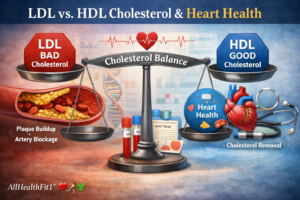
🌿 Understanding LDL vs HDL Cholesterol 🌿
A brief evidence-based overview explaining how cholesterol balance influences cardiovascular function, how LDL and HDL cholesterol affect the body differently, potential risk factors associated with abnormal lipid levels, and why early detection and preventive health strategies may influence long-term cardiovascular wellness.
By Marjorie DiCarlo, M.D., Ph.D., M.P.H.
Introduction
Cholesterol is a vital lipid molecule required for hormone production, cell membrane stability, and vitamin D synthesis. Despite its important biological functions, abnormal cholesterol levels may contribute to long-term cardiovascular complications when imbalances develop over time. According to the Centers for Disease Control and Prevention — Chronic Disease Overview, chronic conditions such as cardiovascular disease remain among the leading causes of illness and mortality worldwide.
One of the most widely studied markers of cardiovascular health is cholesterol balance. Healthcare professionals evaluate this balance using laboratory testing that measures different lipoproteins circulating within the bloodstream. These lipoproteins transport cholesterol through the body and influence vascular health in different ways.
Understanding the difference between LDL and HDL cholesterol can help individuals make informed lifestyle decisions that support long-term wellness. Lifestyle choices such as nutrition patterns, physical activity, metabolic regulation, and preventive screening all contribute to maintaining healthy cholesterol balance.
This article explores how LDL and HDL cholesterol function in the body, how cholesterol testing works, and why monitoring lipid levels is an important component of preventive cardiovascular care.
What Is the Difference Between LDL and HDL Cholesterol?
 Cholesterol travels through the bloodstream attached to proteins known as lipoproteins. The two primary types commonly discussed in cardiovascular research are LDL cholesterol and HDL cholesterol.
Low-density lipoprotein (LDL) cholesterol is often described as “bad cholesterol.” LDL particles transport cholesterol from the liver to tissues throughout the body. When LDL levels become elevated, cholesterol may begin accumulating along arterial walls. Over time this buildup can contribute to plaque formation, which may reduce blood flow through arteries.
High-density lipoprotein (HDL) cholesterol is commonly referred to as “good cholesterol.” HDL particles help remove excess cholesterol from the bloodstream and transport it back to the liver where it can be processed and eliminated. Higher HDL levels are generally associated with improved cardiovascular outcomes.
Researchers studying HDL vs LDL cholesterol emphasize that overall cholesterol balance—not simply one value—is important when evaluating cardiovascular risk.
Triglycerides represent another important lipid marker measured alongside cholesterol. These fats circulate in the bloodstream and are influenced by diet, metabolic activity, and insulin regulation. Elevated triglycerides may contribute to vascular inflammation and metabolic disturbances.
Maintaining a balanced relationship between LDL, HDL, and triglycerides supports long-term cardiovascular function and helps healthcare professionals assess overall lipid metabolism.
Why Cholesterol Testing Matters for Preventive Health
Healthcare providers commonly measure cholesterol levels through a laboratory evaluation known as a lipid panel. This test provides insight into how fats circulate in the bloodstream and helps clinicians assess cardiovascular risk factors.
The Lipid Panel Test checks six key blood lipids:
• total cholesterol
• HDL cholesterol
• LDL cholesterol
• non-HDL cholesterol
• triglycerides
• Cholesterol/HDL ratio
This panel assesses risk for cardiovascular disease, heart attack, and stroke by evaluating cholesterol balance and fat levels in the blood. Physicians use lipid panel results for routine screening, treatment monitoring, and guiding lifestyle or medication adjustments.
👉 Schedule Your Lipid Panel Today
Regular cholesterol testing supports metabolic health improvement by identifying early metabolic changes before symptoms develop.
When is a Lipid Panel Test Ordered?
A Lipid Panel test may be ordered in several situations to evaluate a patient’s lipid levels and assess cardiovascular risk factors:
1. Routine Health Check-ups
Doctors often include a Lipid Panel test as part of routine check-ups, especially for individuals with risk factors such as a family history of heart disease, obesity, high blood pressure, or diabetes.
2. Assessment of Cardiovascular Risk
The Lipid Panel test helps assess a patient’s risk for cardiovascular diseases such as heart attacks or strokes. It is particularly important for individuals with a history of cardiovascular disease or those with risk factors such as smoking, sedentary lifestyle, or poor diet.
3. Monitoring Lipid-Lowering Treatments
For patients already diagnosed with high cholesterol or lipid disorders, regular Lipid Panel tests may be ordered to monitor the effectiveness of medications or lifestyle modifications.
4. Evaluation of Overall Lipid Metabolism
The Lipid Panel test evaluates lipid metabolism and provides insight into the balance of fats circulating throughout the body.
Preventive laboratory screening is one of the most effective ways to identify cardiovascular risk early and guide health decisions that support long-term wellness.
Lifestyle Factors That Influence Cholesterol Balance
Cholesterol levels are influenced by a combination of genetics, metabolic function, and lifestyle behaviors. Nutrition choices, physical activity patterns, and metabolic regulation all play roles in determining lipid levels.
Dietary patterns are among the most widely studied factors affecting cholesterol. Diets rich in whole foods, fruits, vegetables, lean proteins, and healthy fats may help support cholesterol balance. Certain eating patterns—such as those emphasizing dietary fiber and unsaturated fats—have been associated with improved lipid profiles.
 Regular physical activity also supports healthy cholesterol levels. Exercise stimulates circulation, improves metabolic efficiency, and enhances the body’s ability to regulate lipid metabolism.
Maintaining healthy body weight, supporting insulin sensitivity, and minimizing chronic inflammation may also contribute to improved cholesterol balance.
These strategies represent important components of long-term cardiovascular prevention habits and support overall metabolic wellness.
Early Detection and Preventive Cardiovascular Strategies
Many cardiovascular conditions develop gradually over decades before symptoms become noticeable. Preventive screening plays a critical role in identifying potential risk factors early.
Routine cholesterol monitoring, blood pressure checks, and metabolic testing help clinicians evaluate cardiovascular risk profiles. When abnormalities are detected early, lifestyle adjustments and medical interventions may reduce long-term complications.
Preventive care strategies often focus on:
• improving nutrition quality
• increasing physical activity
• supporting metabolic regulation
• reducing inflammatory risk factors
• monitoring cholesterol through regular testing
According to the Cleveland Clinic, lifestyle habits such as balanced nutrition, regular exercise, and routine health screenings contribute significantly to long-term cardiovascular wellness.
Similarly, the American Fitness Society highlights the importance of physical activity in supporting heart function, circulation, and metabolic health.
Understanding cholesterol levels and maintaining regular health screenings allows individuals to participate actively in preventive health strategies that support lifelong cardiovascular wellness.
🌿 AllHealthFit1™ Pro Tip ❤️🏃♀️🍃
Regular lipid panel testing combined with healthy lifestyle habits—such as balanced nutrition and physical activity—can help detect early metabolic changes and support long-term cardiovascular wellness.
🌿 Frequently Asked Questions
1. What is the difference between LDL and HDL cholesterol?
LDL cholesterol carries cholesterol to tissues and may contribute to plaque formation when levels are elevated. HDL cholesterol helps remove excess cholesterol from the bloodstream.
2. What are triglycerides?
Triglycerides are circulating fats that store excess energy in the body. Elevated levels may influence cardiovascular risk and metabolic health.
3. How often should cholesterol be tested?
Many healthcare providers recommend lipid panel screening every 4–6 years for adults, although individuals with risk factors may require more frequent testing.
4. Can lifestyle changes improve cholesterol levels?
Yes. Nutrition, physical activity, weight management, and metabolic health improvements may influence cholesterol balance.
5. Why is early detection important?
Cholesterol imbalances may develop without noticeable symptoms. Preventive screening helps identify risk factors early and supports timely intervention.
📩 Stay Connected with Evidence-Based Wellness Insights
Through the “Healthy You Insider” newsletter, I share research summaries, evidence-based wellness insights, and practical strategies focused on metabolic health, nutrition, and preventive medicine.
📚 Continue Reading
👉 🌿 The Modern Food Environment & Emotional Health: A Metabolic Perspective on What We Eat
https://allhealthfit1.com/?p=12805&preview=true
📚 References
• Centers for Disease Control and Prevention — Chronic Disease Overview
• Harvard Medical School — Inflammation and Chronic Disease
• Cleveland Clinic — Insulin Resistance
• American Diabetes Association — Understanding A1C
• National Institutes of Health — Inflammation and Metabolic Disease
Affiliate Disclosure
This article contains affiliate links. If you purchase through these links, I may earn a small commission at no additional cost to you. Your support helps sustain the development of science-based health information through AllHealthFit1™.
⚠️ Medical Disclaimer
Content on AllHealthFit1™ is for educational purposes only and is not intended to diagnose, treat, cure, or prevent any disease. Always consult a qualified healthcare professional regarding medical concerns.
🩺 In Health and Wellness
Marjorie DiCarlo, M.D., Ph.D., M.P.H.
AllHealthFit1™ ❤️🏃♀️🍃