🌿✨ Managing Atrial Fibrillation After Stent Placement: A Guide to Heart Health 🌿✨
A brief evidence-based guide explaining how atrial fibrillation and coronary artery disease often occur together, why stent placement changes treatment decisions, and what current research suggests about managing heart rhythm, blood thinners, lifestyle habits, and preventive screening to support long-term heart health.
By Marjorie DiCarlo, M.D., Ph.D., M.P.H.
🌿 Introduction
Learning that you have atrial fibrillation (AFib) after receiving a coronary artery stent can feel overwhelming. Many people wonder why they now need several heart medications, whether they remain at risk for another heart attack or stroke, and what they can do to protect their heart moving forward.
The good news is that advances in cardiovascular medicine have significantly improved outcomes for people living with both atrial fibrillation and coronary artery disease. With appropriate medical care, healthy lifestyle habits, and regular follow-up, many individuals continue to live active, fulfilling lives.
Throughout my years in nursing, medical research, and public health, I have found that patients often feel more confident when they understand how these conditions are connected and why each part of their treatment plan is important. Knowledge empowers individuals to become active partners in protecting their heart health.
🌿 Understanding Atrial Fibrillation After Stent Placement
Atrial fibrillation is the most common sustained heart rhythm disorder in adults. Instead of beating in a steady rhythm, the upper chambers of the heart (the atria) beat rapidly and irregularly. This irregular rhythm may allow blood to pool inside the heart, increasing the risk of blood clots that can travel to the brain and cause a stroke.
Common symptoms include:
- Heart palpitations
- Rapid or irregular heartbeat
- Fatigue
- Shortness of breath
- Dizziness
- Reduced exercise tolerance
Some people, however, have no symptoms and discover they have AFib during a routine examination or electrocardiogram (EKG).
Coronary artery disease and atrial fibrillation frequently occur together because they share many of the same risk factors, including high blood pressure, diabetes, high cholesterol, obesity, smoking, sleep apnea, and advancing age.
A coronary stent helps restore blood flow by opening a narrowed artery, but it does not cure the underlying disease. Continued management remains essential to reduce the risk of future cardiovascular events.
🌿 Why You May Need Two Types of Blood Thinners
Many patients are surprised when they are prescribed more than one medication after receiving a coronary stent.
Although they are often called “blood thinners,” these medications work in different ways.
Anticoagulants help prevent blood clots from forming inside the heart, reducing the risk of stroke associated with atrial fibrillation.
Antiplatelet medications help prevent platelets from sticking together inside the coronary stent while the artery heals.
Your cardiologist carefully selects the safest combination based on your individual risk of stroke, bleeding, age, kidney function, and overall health.
Never stop taking these medications without first consulting your healthcare provider, as doing so may increase the risk of stroke or clotting within the stent.
🌿 Lifestyle Habits That May Support Heart Health
Although medications are essential, healthy lifestyle habits remain the foundation of long-term cardiovascular health.
Research consistently shows that lifestyle changes may improve blood pressure, cholesterol levels, weight management, and overall heart function while reducing the risk of future cardiovascular complications.
Eat a Heart-Healthy Diet
 Choose a diet rich in vegetables, fruits, whole grains, beans, lean proteins, fish, nuts, and healthy fats. Limiting sodium, processed foods, sugary beverages, and saturated fats may help support healthy blood pressure and cholesterol levels.
Stay Physically Active
Regular exercise strengthens the heart, improves circulation, supports healthy weight management, and reduces cardiovascular risk. Most adults benefit from at least 150 minutes of moderate exercise each week, but always discuss activity recommendations with your healthcare provider following a heart procedure.
Don’t Smoke
Smoking damages blood vessels, accelerates plaque buildup, and significantly increases the risk of heart attack and stroke. Quitting smoking remains one of the most effective ways to improve cardiovascular health.
Manage Other Health Conditions
Controlling blood pressure, cholesterol, diabetes, and sleep apnea can significantly reduce stress on the heart and may improve long-term outcomes for individuals living with atrial fibrillation
🌿 Blood Pressure Monitoring
Maintaining healthy blood pressure is one of the most important steps you can take to protect your heart after coronary stent placement. High blood pressure increases the workload on the heart and raises the risk of heart attack, stroke, heart failure, and additional damage to the arteries.
Many cardiologists recommend checking your blood pressure at home between office visits. Home monitoring may help identify trends, evaluate how well medications are working, and provide valuable information to share with your healthcare provider.
In my experience working in healthcare, I have found that individuals who regularly monitor their blood pressure often become more engaged in managing their heart health.
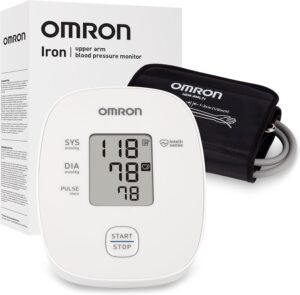
The OMRON Iron Upper Arm Blood Pressure Monitor is manufactured by the #1 doctor- and pharmacist-recommended brand for home blood pressure monitors. It is clinically validated for accuracy and designed for convenient home use.
If you’re looking for a reliable home blood pressure monitor, you can learn more here:
🌿 Preventive Screening and Early Detection
Many cardiovascular conditions develop silently before symptoms appear. Preventive screening may identify problems early, allowing treatment to begin before serious complications occur.
Throughout my years in nursing, medical research, and public health, I have seen how early detection can make a meaningful difference. Many individuals are surprised to learn they have underlying cardiovascular disease despite feeling well.
Several noninvasive screening tests may help identify cardiovascular disease before symptoms develop.
Common Preventive Cardiovascular Screenings
Carotid Artery Disease
An ultrasound examines the carotid arteries in the neck for fatty plaque buildup. Carotid artery disease is one of the leading causes of stroke.
Peripheral Arterial Disease (PAD)
An Ankle-Brachial Index (ABI) compares blood pressure measurements in the arms and legs to evaluate circulation. PAD increases the risk of coronary artery disease, heart attack, and stroke.
Abdominal Aortic Aneurysm (AAA)
An ultrasound screens the abdominal aorta for enlargement (aneurysm). Detecting an aneurysm early may help prevent a life-threatening rupture.
Atrial Fibrillation (AFib)
A simple six-lead electrocardiogram (EKG) uses sensors placed on the arms and legs to screen for atrial fibrillation. Early detection may reduce the risk of blood clots, stroke, heart failure, and other cardiovascular complications.
Osteoporosis Risk Assessment
An ultrasound measurement of the shin bone evaluates bone density and may help identify individuals at increased risk for osteoporosis.
If you’re interested in taking a proactive approach to your cardiovascular health, Life Line Screening offers convenient preventive screening services that evaluate several important cardiovascular conditions before symptoms develop.

👉 Schedule Your Life Line Screening
🌿 Looking Ahead
Research involving atrial fibrillation and coronary artery disease continues to evolve. Scientists are developing new medications, improving catheter ablation procedures, refining blood-thinning strategies, and expanding the use of wearable technology to detect abnormal heart rhythms earlier.
As our understanding of cardiovascular disease continues to grow, treatment is becoming increasingly personalized. Working closely with your healthcare provider, staying informed, and maintaining heart-healthy lifestyle habits remain some of the best ways to protect your heart and reduce the risk of future cardiovascular complications.
🌿 AllHealthFit1™ Pro Tip ❤️🏃♀️🍃
One lesson I have learned throughout my healthcare career is that cardiovascular disease is often much easier to manage when it is identified early rather than after a serious complication such as a heart attack or stroke occurs.
Many individuals with atrial fibrillation or coronary artery disease experience few or no symptoms during the early stages. Routine blood pressure monitoring, preventive cardiovascular screenings, medication adherence, and healthy lifestyle habits may help identify problems before they become life-threatening. Early detection remains one of the most powerful tools for protecting long-term heart health.
🌿 Frequently Asked Questions
1. Can I live a normal life after having atrial fibrillation and a coronary stent?
Yes. Many people continue to live active, fulfilling lives by following their treatment plan, taking medications as prescribed, attending regular follow-up appointments, and maintaining heart-healthy lifestyle habits.
2. Why do I need both an anticoagulant and an antiplatelet medication?
Anticoagulants help reduce the risk of stroke caused by atrial fibrillation, while antiplatelet medications help prevent blood clots from forming inside your coronary stent. Each medication serves a different purpose in protecting your heart and brain.
3. Should I monitor my blood pressure at home?
Yes. Regular home blood pressure monitoring can help you and your healthcare provider evaluate how well your treatment plan is working and identify changes that may require medical attention.
4. What preventive screenings may help detect heart disease early?
Screenings for carotid artery disease, peripheral arterial disease (PAD), abdominal aortic aneurysm (AAA), and atrial fibrillation may help identify cardiovascular disease before symptoms develop, allowing earlier treatment when appropriate.
5. Can healthy lifestyle habits improve heart health?
Yes. Eating a heart-healthy diet, staying physically active, maintaining a healthy weight, controlling blood pressure and cholesterol, avoiding tobacco, and managing diabetes may all help support long-term cardiovascular health and reduce the risk of future complications.
📚 Continue Reading
👉 🌿 How Diabetes Can Affect Eye Health: What Everyone Should Know
👉 🌿 Lower Cholesterol with Exercise: A Simple Guide to Better Heart Health
🌿 Stay Connected With Our “Healthy You Insider” Newsletter 🌿
Receive weekly evidence-based insights on health & wellness, nutrition, fitness, preventive health, and the latest medical research delivered directly to your inbox.
Subscribers receive practical wellness tips, emerging medical research updates, preventive health information, and carefully selected wellness resources designed to support healthier living.
👉 Join thousands of readers who are building healthier lives through evidence-based wellness education. Subscribe free to the “Healthy You Insider” Newsletter on Substack and receive trusted wellness insights delivered directly to your inbox each week.
📚 References
- American Heart Association. Atrial Fibrillation
- American College of Cardiology & American Heart Association. 2023 Guideline for the Diagnosis and Management of Atrial Fibrillation
- National Heart, Lung, and Blood Institute. Coronary Artery Disease
- PubMed. Antithrombotic Therapy Following Percutaneous Coronary Intervention in Patients with Atrial Fibrillation
____________________________________________________________________________________________________________________________________________________
Affiliate Disclosure: Some links on this page are affiliate links. As an Amazon Associate, AllHealthFit1 earns from qualifying purchases. We may also earn commissions from other affiliate partners at no additional cost to you. These commissions help support our mission of providing free, evidence-based health and wellness education. Thank you for your support!
⚠️ Medical Disclaimer: The content provided on AllHealthFit1™ is for educational and informational purposes only and should not be considered medical advice. It is not intended to diagnose, treat, cure, or prevent any disease. Always consult a qualified healthcare professional regarding medical concerns.
🩺 In Health & Wellness
Marjorie DiCarlo, M.D., Ph.D., M.P.H.
Founder, AllHealthFit1™ ❤️🏃♀️🍃