🌿 What Is an Aortic Dissection? Understanding a Life-Threatening Cardiovascular Emergency
A comprehensive evidence-based overview explaining what an aortic dissection is, why it is considered one of the most serious cardiovascular emergencies, the symptoms that require immediate medical attention, available treatment options, and lifestyle habits that may help reduce risk.
By Marjorie DiCarlo, M.D., Ph.D., M.P.H.
Introduction
The aorta is the largest artery in the human body and serves as the main pathway that carries oxygen-rich blood from the heart to the brain, chest, abdomen, and lower extremities. Because it experiences the highest blood pressure within the circulatory system, the aorta must remain strong and flexible throughout life.
An aortic dissection is a rare but life-threatening cardiovascular emergency that occurs when a tear develops in the inner lining of the aorta. Blood enters the tear and separates the layers of the artery, creating a false channel that can reduce blood flow to vital organs or weaken the vessel to the point of rupture.
Although an aortic dissection is less common than a heart attack or stroke, it requires immediate medical attention. Without prompt diagnosis and treatment, the condition can rapidly become fatal.
Throughout my years working in healthcare, I found that many individuals had never heard of an aortic dissection until someone close to them experienced one. Most recognized the warning signs of a heart attack but were unaware that a tear in the body’s largest artery could produce similar symptoms while requiring an entirely different treatment approach. Increasing awareness of this condition may help individuals recognize the need for emergency care when every minute counts.
Fortunately, many of the major risk factors—particularly high blood pressure—can often be identified and managed through preventive healthcare, healthy lifestyle habits, and routine medical follow-up.
What Is an Aortic Dissection?
The wall of the aorta is composed of three layers that provide strength and elasticity.
These layers include: 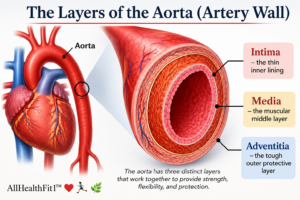
- Intima – the thin inner lining
- Media – the muscular middle layer
- Adventitia – the tough outer protective layer
An aortic dissection begins when the inner layer (intima) tears. Instead of remaining within the normal channel of the artery, blood is forced between the layers of the vessel wall, creating a false lumen, or false channel.
As the tear extends, blood flow to important organs—including the brain, heart, kidneys, intestines, and legs—may become reduced or blocked. In severe cases, the weakened aorta may rupture, resulting in life-threatening internal bleeding.
Healthcare professionals generally classify dissections into two types:
Type A Aortic Dissection
Type A dissections involve the ascending aorta, the section that leaves the heart. Because they may affect blood flow to the heart or brain and increase the risk of rupture, emergency surgery is usually required.
Type B Aortic Dissection
Type B dissections occur in the descending portion of the aorta. Some patients can be treated with medications and careful monitoring, while others require minimally invasive procedures or surgery if complications develop.
Risk Factors
Although an aortic dissection can occur unexpectedly, most cases develop after the wall of the aorta has gradually weakened over time.
The most important modifiable risk factor is uncontrolled hypertension. Persistently elevated blood pressure places continuous stress on the aortic wall, increasing the likelihood that a tear may develop.
Other risk factors include:
- Long-standing high blood pressure
- Atherosclerosis (hardening of the arteries)
- Marfan syndrome
- Ehlers-Danlos syndrome
- Bicuspid aortic valve
- Family history of thoracic aortic disease
- Previous heart or aortic surgery
- Chest trauma
 Cigarette smoking
- Cocaine or stimulant use
- Increasing age
Throughout my healthcare career, hypertension was one of the most common chronic conditions I encountered. Many patients felt perfectly well despite having significantly elevated blood pressure because hypertension often develops silently. Regular blood pressure monitoring remains one of the simplest and most effective ways to identify a major cardiovascular risk factor before serious complications occur.
Signs and Symptoms
The hallmark symptom of an aortic dissection is the sudden onset of severe pain.
Patients often describe the pain as:
- Tearing
- Ripping
- Sharp
- Stabbing
- Unlike anything they have experienced before
Pain commonly begins in the chest but may spread to the:
- Upper back
- Shoulder blades
- Neck
- Jaw
- Abdomen
- Lower back
Additional symptoms may include:
- Shortness of breath
- Fainting
- Dizziness
- Difficulty speaking
- Weakness or numbness on one side of the body
- Sweating
- Weak or absent pulse in one arm
- Cold or painful legs
- Loss of consciousness
Throughout my years working in healthcare, I frequently found that patients assumed severe chest pain always meant a heart attack. While that is certainly possible, an aortic dissection can present in a similar manner and requires a different emergency treatment approach.
Anyone experiencing sudden severe chest or back pain should call 911 immediately rather than attempting to drive to the hospital.
How Is an Aortic Dissection Diagnosed?
Rapid diagnosis is essential because treatment decisions depend on identifying the location and extent of the tear.
Healthcare professionals may use several imaging studies, including:
- CT angiography (the most common test)
- Transesophageal echocardiography (TEE)
- Magnetic resonance imaging (MRI)
Additional tests such as an electrocardiogram (ECG), chest X-ray, and blood tests may also be performed to evaluate other causes of chest pain and assist in emergency decision-making.
Early diagnosis significantly improves the likelihood of successful treatment.
Treatment
Treatment for an aortic dissection depends on its location, severity, and whether blood flow to vital organs has been affected. Because the condition can rapidly become life-threatening, patients are typically admitted to an intensive care unit where blood pressure and heart rate can be carefully monitored.
Type A Aortic Dissection
Type A dissections almost always require emergency surgery. During the procedure, cardiovascular surgeons remove the damaged section of the aorta and replace it with a synthetic graft. If the aortic valve has also been affected, it may be repaired or replaced during the same operation.
Type B Aortic Dissection
Some uncomplicated Type B dissections can be treated without open surgery. Initial treatment often includes medications to lower blood pressure and reduce stress on the aortic wall, along with close monitoring and repeat imaging studies.
If complications develop, physicians may recommend thoracic endovascular aortic repair (TEVAR), a minimally invasive procedure that places a stent graft inside the aorta to reinforce the weakened vessel and improve blood flow.
Advances in emergency cardiovascular care, surgical techniques, and imaging technology have significantly improved survival for many patients diagnosed and treated promptly.
Possible Complications
Without immediate treatment, an aortic dissection can lead to life-threatening complications.
Potential complications include:
- Aortic rupture
- Severe internal bleeding
- Heart attack
- Stroke
- Heart failure
- Kidney failure
- Reduced blood flow to the intestines or legs
- Death
These potential complications emphasize why rapid diagnosis and emergency treatment are essential.
Lifestyle Habits That Support Aortic Health
Although not every aortic dissection can be prevented, healthy lifestyle habits may reduce cardiovascular risk and support long-term vascular health.
Control Blood Pressure
Maintaining healthy blood pressure remains the most important modifiable step in protecting the aorta.
Helpful strategies include:
- Taking prescribed medications as directed
- Limiting sodium intake
- Maintaining a healthy weight
- Participating in regular physical activity
- Avoiding tobacco products
- Managing stress
- Keeping routine medical appointments
Throughout my healthcare career, I frequently reminded patients that hypertension is often called the “silent killer”because it may cause no symptoms until serious damage has already occurred. Regular monitoring allows elevated blood pressure to be identified and treated before complications develop.
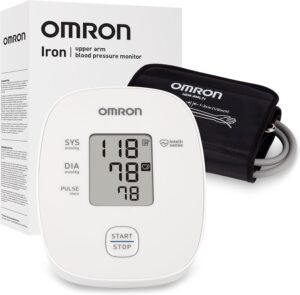
For individuals interested in monitoring their blood pressure at home, the Omron Blood Pressure Monitor is a clinically validated upper-arm monitor designed to provide reliable readings between healthcare visits.
Buy the Omron Blood Pressure Monitor on Amazon
Eat a Heart-Healthy Diet
A balanced diet emphasizing fruits, vegetables, whole grains, lean proteins, legumes, and healthy fats supports cardiovascular health and may help maintain healthy blood pressure.
 Limiting processed foods, saturated fats, and excessive sodium can further reduce cardiovascular risk.
Stay Physically Active
Regular aerobic exercise strengthens the heart, improves circulation, and supports overall cardiovascular wellness. Individuals diagnosed with an aortic aneurysm or previous aortic dissection should discuss appropriate exercise recommendations with their healthcare provider before beginning strenuous activities.
Avoid Tobacco
Smoking damages blood vessels, accelerates atherosclerosis, and increases the risk of numerous cardiovascular diseases. Quitting tobacco remains one of the most beneficial decisions individuals can make for long-term heart and vascular health.
Preventive Cardiovascular Screening
Routine preventive healthcare plays an important role in identifying cardiovascular risk factors before serious complications occur.
Although routine screening for aortic dissection is not recommended for the general population, individuals with hypertension, diabetes, elevated cholesterol, vascular disease, or a family history of cardiovascular disease should discuss appropriate screening with their healthcare provider.
Life Line Screening offers preventive health screenings that evaluate several important cardiovascular risk factors, including vascular disease and stroke risk. Early identification of certain conditions may provide an opportunity for earlier intervention and improved long-term health.

Learn more about preventive cardiovascular screening through Life Line Screening.
❤️ Schedule Your Preventive Screening Today
Medication Adherence Matters
Many individuals with hypertension require one or more medications to help control their blood pressure. Taking medications consistently is an important part of reducing cardiovascular risk.
Throughout my years in healthcare, I found that some patients unintentionally missed doses simply because their medications became difficult to organize. A simple medication organizer can make daily routines easier while supporting medication adherence.
The Portable Pill Organizer provides a convenient way to keep medications, vitamins, or supplements organized whether at home or while traveling.
Caption: I love this portable pill organizer! It’s perfect for keeping my medications organized on the go!

Get Your Pill Organizer on Amazon
AllHealthFit1™ Pro Tip
An aortic dissection is uncommon, but uncontrolled high blood pressure is common. Maintaining healthy blood pressure through regular monitoring, prescribed medications, healthy lifestyle habits, and routine medical care remains one of the most effective ways to help reduce the risk of this life-threatening cardiovascular emergency.
Frequently Asked Questions
1. What is an aortic dissection?
An aortic dissection occurs when a tear develops in the inner layer of the aorta, allowing blood to separate the layers of the artery wall.
2. Is an aortic dissection the same as a heart attack?
No. A heart attack results from reduced blood flow to the heart muscle, while an aortic dissection involves a tear in the wall of the aorta. Both require immediate emergency medical care.
3. What is the biggest risk factor?
Long-standing uncontrolled high blood pressure is the leading modifiable risk factor for an aortic dissection.
4. Can someone survive an aortic dissection?
Yes. Survival depends largely on rapid diagnosis and prompt treatment.
5. Can an aortic dissection be prevented?
Although not every case is preventable, controlling blood pressure, avoiding tobacco, maintaining a heart-healthy lifestyle, and receiving regular medical care may significantly reduce risk.
Continue Reading
🌿✨ Managing Atrial Fibrillation After Stent Placement: A Guide to Heart Health🌿✨
Stay Connected With Our “Healthy You Insider” Newsletter
Receive weekly evidence-based insights on health & wellness, nutrition, fitness, healthy aging, and preventive health delivered directly to your inbox.
Join thousands of readers who are building healthier lives through trusted, science-based education from AllHealthFit1™.
References
- American Heart Association. Aortic Aneurysm and Aortic Dissection
- National Heart, Lung, and Blood Institute. Aortic Aneurysm
- Society for Vascular Surgery. Thoracic Aortic Disease
Affiliate Disclosure
Some links on this page are affiliate links. As an Amazon Associate, AllHealthFit1™ earns from qualifying purchases. We may also earn commissions from other affiliate partners at no additional cost to you. These commissions help support our mission of providing free, evidence-based health and wellness education.
Medical Disclaimer
Content on AllHealthFit1™ is provided for educational and informational purposes only and is not intended as medical advice. Always consult a qualified healthcare professional regarding any medical concerns, symptoms, diagnosis, or treatment decisions.
In Health & Wellness
Marjorie DiCarlo, M.D., Ph.D., M.P.H.
AllHealthFit1™ ❤️🏃♀️🍃