

🌿 Is Your Diet Fueling Inflammation? The Foods That Fight Back 🌿
By Marjorie DiCarlo, M.D., Ph.D., M.P.H.
Introduction
Could the foods you eat every day be contributing to inflammation without you realizing it?
Chronic inflammation is increasingly recognized as an important factor in cardiovascular disease, type 2 diabetes, and several other chronic health conditions.
A 2026 systematic review and meta-analysis involving 33 randomized controlled trials and 3,476 participants found that Mediterranean-style dietary interventions significantly reduced certain inflammatory markers, including high-sensitivity C-reactive protein (hs-CRP) and interleukin-6 (IL-6).
These findings highlight the potential influence of everyday food choices on inflammatory processes within the body.
But can changing your diet really make a difference?
Research suggests that certain dietary patterns may help regulate inflammation, while others are associated with unfavorable metabolic and inflammatory outcomes.
Throughout my years in healthcare and health education, I have emphasized that nutrition is not simply about avoiding unhealthy foods. It involves understanding how dietary choices influence the body’s physiological processes and long-term health.
Learning which foods may help regulate inflammation—and which foods are best limited—can provide a practical foundation for healthier living.
What Is Chronic Inflammation?
Inflammation is a natural immune response that helps protect the body against infections, injuries, and other harmful exposures.
However, not all inflammation functions in the same way.
Acute Inflammation
 Acute inflammation develops rapidly in response to an injury or infection.
Common signs include:
- Redness
- Swelling
- Warmth
- Pain
- Temporary loss of function
For example, swelling surrounding a minor injury is part of the body’s natural healing response.
Chronic Inflammation
Chronic inflammation occurs when inflammatory activity persists over an extended period.
Unlike acute inflammation, chronic low-grade inflammation may develop without noticeable symptoms.
Persistent inflammatory activity is associated with several health conditions, including:
- Cardiovascular disease
- Type 2 diabetes
- Certain cancers
- Metabolic dysfunction
- Some neurodegenerative diseases
However, chronic inflammation is complex and cannot be attributed to dietary habits alone.
Genetics, aging, environmental exposures, infections, physical activity, and other lifestyle factors may contribute.
How Does Your Diet Influence Inflammation?
Food provides more than calories and essential nutrients.
Dietary components influence metabolic pathways, immune signaling, intestinal microorganisms, and cellular processes.
Certain foods contain antioxidants, polyphenols, omega-3 fatty acids, and dietary fiber that may help regulate inflammatory responses.
Conversely, dietary patterns consistently high in refined carbohydrates, processed meats, and added sugars have been associated with unfavorable inflammatory and metabolic outcomes.
An important distinction is that no single food can eliminate chronic inflammation.
The overall dietary pattern matters more than any individual ingredient.
Seven Foods That May Help Fight Chronic Inflammation
1. Fatty Fish: Omega-3 Fatty Acids
Salmon, sardines, mackerel, and herring contain omega-3 fatty acids, particularly EPA and DHA.
These fatty acids participate in cellular signaling and the production of compounds involved in resolving inflammation.
Omega-3 fatty acids also support cardiovascular health.
Including fatty fish approximately twice weekly is consistent with established heart-healthy dietary recommendations.
🐟 Omega-3 Supplement Spotlight: Qunol Ultra Omega-3 Fish Oil
Fatty fish such as salmon, sardines, and mackerel are excellent dietary sources of EPA and DHA, two omega-3 fatty acids involved in cardiovascular health and inflammatory regulation.
For individuals who do not regularly consume fatty fish, omega-3 supplements may provide an alternative source of these essential fatty acids.
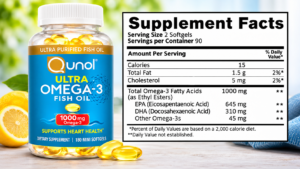
Qunol Ultra Omega-3 Fish Oil provides 1,000 mg of total omega-3 fatty acids per two-softgel serving, including 645 mg of EPA and 310 mg of DHA.
Although omega-3 supplements may help individuals meet their nutritional needs, they should not be considered a replacement for a balanced diet or treatment for chronic inflammation.
Explore Qunol Ultra Omega-3 Fish Oil on Amazon to learn more about its ingredients, nutritional information, and product specifications.
Consult a healthcare professional before starting omega-3 supplements, particularly if you take blood-thinning medications or have an existing medical condition.
2. Berries: Antioxidants and Polyphenols
Blueberries, strawberries, raspberries, and blackberries contain plant compounds called polyphenols.
Anthocyanins, which contribute to the vibrant colors of many berries, possess antioxidant properties.
Research suggests that berry consumption may favorably influence certain inflammatory and oxidative stress markers.
Fresh and frozen berries are both nutritious options.
3. Leafy Green Vegetables
Spinach, kale, collard greens, and other leafy vegetables provide vitamins, minerals, dietary fiber, and beneficial phytochemicals.
These nutrients support normal cellular function and antioxidant defenses.
Leafy greens can be incorporated into salads, soups, smoothies, and cooked meals.
4. Extra-Virgin Olive Oil
Extra-virgin olive oil is a central component of the Mediterranean dietary pattern.
It contains monounsaturated fatty acids and naturally occurring phenolic compounds.
These components may support healthy blood vessel function and influence inflammatory pathways.
Replacing some saturated fats with olive oil can improve the nutritional quality of meals.
5. Nuts and Seeds
Walnuts, almonds, chia seeds, and ground flaxseeds provide unsaturated fats, fiber, and important micronutrients.
Walnuts, chia seeds, and flaxseeds contain alpha-linolenic acid, a plant-derived omega-3 fatty acid.
Regularly incorporating appropriate portions of nuts and seeds can contribute to a heart-healthy eating pattern.
6. Whole Grains and Legumes
Oats, barley, quinoa, lentils, chickpeas, and beans provide dietary fiber and other beneficial nutrients.
Certain fibers support intestinal microorganisms that produce short-chain fatty acids.
These compounds contribute to intestinal health and may influence inflammatory regulation.
7. Herbs and Spices
Turmeric, ginger, garlic, cinnamon, and rosemary contain naturally occurring bioactive compounds.
Curcumin, found in turmeric, has demonstrated anti-inflammatory activity in laboratory studies.
However, evidence supporting specific benefits from ordinary culinary amounts remains limited.
Herbs and spices can add flavor while reducing reliance on excess salt and highly processed sauces.
Foods That May Contribute to Chronic Inflammation
Certain dietary patterns are associated with increased inflammatory markers and chronic disease risk.
Sugar-Sweetened Beverages
 Regularly consuming large quantities of sugary beverages can contribute to excess calorie intake, weight gain, and metabolic dysfunction.
Processed Meats
Frequent consumption of bacon, sausage, hot dogs, and certain deli meats is associated with increased risks of several chronic diseases.
Refined Carbohydrates
Sugary pastries, highly refined snacks, and heavily sweetened cereals often provide limited fiber and substantial amounts of added sugar.
Fried and Highly Processed Foods
 Some fried foods and ultra-processed products contain high amounts of sodium, saturated fat, and refined carbohydrates.
However, not all processed foods are nutritionally equivalent.
Frozen vegetables, canned beans, and plain yogurt can remain valuable components of a healthy diet.
The objective is to evaluate overall nutritional quality rather than automatically avoiding all packaged foods.
The Mediterranean Diet: What Does Research Reveal?
The Mediterranean diet is among the most extensively studied dietary patterns for cardiovascular and metabolic health.
It emphasizes:
- Vegetables and fruits
- Whole grains and legumes
- Olive oil
- Nuts and seeds
- Fish and seafood
- Moderate amounts of other minimally processed foods
A 2026 meta-analysis reported significant improvements in several inflammatory biomarkers among participants following Mediterranean dietary interventions.
However, not every inflammatory marker improved significantly.
These findings support the potential benefits of Mediterranean-style eating but do not establish that it cures inflammatory conditions.
Long-term dietary consistency remains more important than temporary restrictions.
🛒 AllHealthFit1® Recommended Product: Support Heart-Healthy Cooking
Amazon — California Olive Ranch Extra Virgin Olive Oil
Extra-virgin olive oil provides monounsaturated fats and naturally occurring plant compounds that make it a valuable addition to Mediterranean-style eating.
California Olive Ranch Extra Virgin Olive Oil is one option for preparing vegetables, homemade salad dressings, and everyday meals.
Replacing some butter-based dressings or saturated-fat-rich cooking ingredients with olive oil can improve the overall fat composition of meals.
Although olive oil provides beneficial fats, appropriate portions remain important because it is calorie-dense.

MorphoScan Lite Body Composition Scale on Amazon
Hydration and Healthy Dietary Habits
Adequate hydration supports normal digestion, circulation, and temperature regulation.
Water does not directly eliminate chronic inflammation.
However, replacing sugar-sweetened beverages with water may improve overall dietary quality.
Hydration needs vary according to age, activity level, environmental conditions, and individual medical circumstances.
Individuals with prescribed fluid restrictions should follow their healthcare professional’s recommendations.
💧 AllHealthFit1® Recommended Product: Encourage Healthy Hydration
Clearly Filtered Water Pitcher with Affinity Filtration Technology
Maintaining convenient access to drinking water can make healthier beverage choices easier.
The Clearly Filtered Water Pitcher is designed to reduce selected contaminants according to the manufacturer’s filtration specifications.
Keeping filtered water readily available may encourage replacing sugary beverages with water throughout the day.
Although filtered water does not provide additional anti-inflammatory benefits compared with other safe drinking water, consistent hydration supports normal physiological function.
Clearly Filtered Water Pitcher with Affinity Filtration Technology
Shop Clearly Filtered Products
Prevention and Long-Term Health
Reducing chronic disease risk requires more than choosing individual foods.
Healthy dietary patterns work best alongside other preventive lifestyle behaviors.
Key Strategies
- Eat a variety of colorful vegetables and fruits.
- Include fatty fish regularly when appropriate.
- Replace some saturated fats with unsaturated fats.
- Choose whole grains instead of refined grains.
- Incorporate beans, lentils, nuts, and seeds.
- Limit processed meats and sugary beverages.
- Maintain adequate hydration.
- Participate in regular physical activity.
- Prioritize sufficient sleep.
- Manage chronic stress.
- Continue recommended preventive healthcare.
Individuals experiencing persistent symptoms or managing autoimmune diseases should seek individualized medical evaluation rather than relying exclusively on dietary changes.
The goal is not to eliminate inflammation entirely.
Inflammation is essential for immune protection and healing.
Instead, the objective is to support normal inflammatory regulation and long-term metabolic health.
🌿 AllHealthFit1® Pro Tip
Focus on your overall eating pattern rather than individual superfoods.
A Mediterranean-style diet rich in vegetables, fruits, whole grains, healthy fats, and fish may help support healthy inflammatory responses. I personally use California Olive Ranch Extra Virgin Olive Oil in my salads and when sautéing foods. Remember, small, consistent dietary changes can make a meaningful difference in long-term health.
Frequently Asked Questions (FAQ)
1. What is the best diet for reducing chronic inflammation?
Mediterranean-style dietary patterns have substantial evidence supporting improvements in certain inflammatory markers and cardiovascular health. However, individual responses vary.
2. Can eating too much sugar increase inflammation?
Regularly consuming excessive added sugars, particularly through sugar-sweetened beverages, may contribute to metabolic changes associated with chronic low-grade inflammation.
3. Does turmeric reduce inflammation?
Curcumin has demonstrated anti-inflammatory properties in laboratory research. However, evidence for benefits from ordinary culinary turmeric consumption remains limited, and turmeric should not replace prescribed treatment.
4. How long does an anti-inflammatory diet take to work?
Changes in certain inflammatory biomarkers may occur over weeks or months, depending on the dietary intervention and individual health circumstances. There is no universal timeline.
5. Can an anti-inflammatory diet cure arthritis or autoimmune disease?
No. Healthy dietary patterns may complement medical management and support overall health, but they do not cure arthritis, autoimmune disorders, or other chronic inflammatory diseases.
🌿 Beyond the Article: More Health Insights Worth Exploring
Understanding how nutrition influences inflammation is only one part of building a healthier lifestyle.
Continue your health and wellness journey by exploring these related evidence-based articles on AllHealthFit1®.
🥗 Fibermaxxing Explained: The Surprising Benefits and Hidden Risks of Eating More Fiber
Discover how dietary fiber supports digestive health, blood sugar regulation, cholesterol management, and a healthy gut microbiome—and why consuming too much fiber may cause unexpected problems.
🍎 What Really Happens to Your Body When You Eat Processed Foods?
Explore how processed foods may influence metabolism, cardiovascular health, blood sugar regulation, and long-term disease risk.
💧 Can Drinking More Water Help Prevent UTIs? Here’s What You Should Know
Learn about the relationship between hydration, urinary tract health, and practical strategies for maintaining adequate fluid intake.
🌿 Your Health Journey Doesn’t End Here!
Take the next step toward better health!
Visit AllHealthFit1.com to explore more evidence-based articles covering nutrition, fitness, preventive healthcare, and the latest health research.
Because informed choices today can help build a healthier tomorrow.
💌 Stay Connected With Our “Healthy You Insider” Newsletter
Receive weekly evidence-based insights on health & wellness, nutrition, fitness, and preventive health to support your journey to a healthier you.
References
- Keshani M, et al. Mediterranean Diet Reduces Inflammation in Adults: A Systematic Review and Meta-analysis of Randomized Controlled Trials. Nutrition Reviews. 2026;84(9):1776–1790. https://pubmed.ncbi.nlm.nih.gov/41211687/
- Harvard T.H. Chan School of Public Health. Diet Review: Anti-Inflammatory Diet. The Nutrition Source. https://nutritionsource.hsph.harvard.edu/healthy-weight/diet-reviews/anti-inflammatory-diet/
- Harvard Health Publishing. Anti-inflammatory diet: Foods that help reduce chronic inflammation. August 3, 2026. https://www.harvardhealth.org/diet-and-nutrition/anti-inflammatory-diet-foods-that-help-reduce-chronic-inflammation
- Harvard Health Publishing. Fighting Inflammation With Food. February 9, 2024. https://www.harvardhealth.org/diet-and-nutrition/fighting-inflammation-with-food
Affiliate Disclosure
As an Amazon Associate, AllHealthFit1® earns from qualifying purchases. AllHealthFit1® also participates in other affiliate marketing programs with select health, wellness, and lifestyle partners. This article may contain affiliate links, and if you choose to make a purchase through these links, I may earn a small commission at no additional cost to you. Your support helps sustain the development of evidence-based health education and wellness resources through AllHealthFit1®.
⚕️ Medical Disclaimer
Content on AllHealthFit1™ is provided for educational and informational purposes only and is not intended as medical advice. Always consult a qualified healthcare professional regarding medical concerns, symptoms, screening, laboratory testing, diagnosis, or treatment decisions.
🩺 In Health & Wellness,
Marjorie DiCarlo, M.D., Ph.D., M.P.H.
AllHealthFit1® ❤️🏃♀️🍃