🌿 Fibermaxxing Explained: The Surprising Benefits and Hidden Risks of Eating More Fiber 🌿
By Marjorie DiCarlo, M.D., Ph.D., M.P.H.
Introduction
Fiber has become one of the most talked-about nutrients in the wellness world.
From social media videos showcasing fiber-packed breakfasts to nutrition enthusiasts adding chia seeds, lentils, oats, and vegetables to nearly every meal, a growing trend known as fibermaxxing is encouraging people to dramatically increase their daily fiber intake.
But is more fiber always better?
Not necessarily.
Dietary fiber plays an essential role in digestive health, cholesterol management, blood sugar regulation, and maintaining a healthy gut microbiome. Research consistently supports the benefits of fiber-rich dietary patterns.
However, rapidly increasing fiber consumption or consuming excessive amounts can lead to bloating, abdominal discomfort, gas, and changes in bowel habits.
Throughout my years in healthcare and health education, I have emphasized that nutrition is not simply about consuming more of a beneficial nutrient. It is about understanding how nutrients function within the body and finding an appropriate balance.
Understanding the science behind fibermaxxing can help individuals enjoy the benefits of dietary fiber without unnecessary digestive discomfort.
What Is Fibermaxxing?
Fibermaxxing is a popular wellness trend focused on deliberately increasing daily dietary fiber intake, often through whole foods, fiber-enriched products, or supplements.
Unlike many restrictive dietary trends, fibermaxxing encourages greater consumption of foods that are already recommended as part of a healthy eating pattern.
These include:
-
Fruits and vegetables
-
Beans, lentils, and chickpeas
-
Whole grains
-
Nuts and seeds
-
Oatmeal and barley
-
Chia seeds and ground flaxseeds
The concept is relatively straightforward: consume more fiber to support digestive and metabolic health.
However, the amount, type, and rate at which fiber is introduced can influence how well the body tolerates it.
Understanding the Different Types of Dietary Fiber
Dietary fiber is a type of carbohydrate found primarily in plant foods that is not fully digested by human digestive enzymes.
Unlike digestible carbohydrates, much of the fiber we consume passes into the large intestine, where certain types can be fermented by intestinal microorganisms.
Fiber is commonly described in two categories.
Soluble Fiber
Soluble fiber dissolves or disperses in water, and some forms create a gel-like substance within the digestive tract.
Examples include:
-
Oats
-
Barley
-
Beans and lentils
-
Apples
-
Citrus fruits
-
Psyllium
Certain viscous soluble fibers can help lower LDL cholesterol and slow the absorption of glucose after meals.
Some soluble fibers are also fermented by intestinal bacteria, producing compounds that support intestinal health.
Insoluble Fiber
Insoluble fiber generally does not dissolve in water and can help increase stool bulk and support regular bowel movements.
Sources include:
-
Whole-wheat products
-
Wheat bran
-
Nuts
-
Seeds
-
Vegetable skins
-
Certain leafy vegetables
Most fiber-containing foods provide a combination of soluble and insoluble fibers.
The important distinction is that different fibers have different physiological properties. Their effects depend on characteristics such as viscosity, fermentability, and water-holding capacity.
What Happens Inside Your Body When You Eat More Fiber?
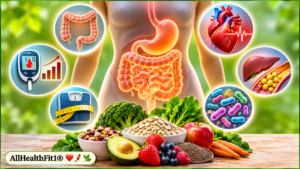
Fiber influences several important processes within the digestive and metabolic systems.
Digestive Health and Bowel Regularity
Fiber helps regulate bowel function by influencing stool consistency, bulk, and movement through the digestive tract.
Certain fibers retain water and help soften stools, while others increase stool bulk.
For individuals who consume relatively little fiber, gradually increasing fiber-rich foods may improve bowel regularity.
However, not every type of fiber works equally well for constipation.
Some people with irritable bowel syndrome or other gastrointestinal disorders may experience worsening symptoms when consuming large amounts of certain fermentable fibers.
Gut Microbiome and Short-Chain Fatty Acids
The large intestine contains trillions of microorganisms that participate in digestion and other physiological processes.
Certain dietary fibers serve as substrates for beneficial intestinal bacteria.
During fermentation, these microorganisms produce short-chain fatty acids, including acetate, propionate, and butyrate.
Butyrate is particularly important because it provides energy to cells lining the colon and contributes to normal intestinal function.
Research continues to investigate how dietary fiber and microbial fermentation influence inflammation, metabolism, and long-term disease risk.
Although these findings are promising, fiber does not affect every person’s microbiome in exactly the same way.
Blood Sugar and Insulin Regulation
Certain soluble fibers slow gastric emptying or carbohydrate absorption, helping moderate the rise in blood glucose following meals.
For individuals with type 2 diabetes or insulin resistance, incorporating fiber-rich foods may support improved glycemic management as part of an overall dietary plan.
For example, replacing refined grains with oats, barley, or legumes may improve the nutritional quality of a meal while providing additional fiber.
However, fiber should not be considered a substitute for prescribed diabetes treatment.
Fiber, Cholesterol, and Cardiovascular Health
 One of the most established benefits of certain soluble fibers involves cholesterol management.
Viscous soluble fibers, such as beta-glucan found in oats and barley and fiber from psyllium, can help reduce LDL cholesterol.
These fibers can interfere with the reabsorption of bile acids, encouraging the liver to use cholesterol to produce additional bile acids.
Over time, this process may contribute to lower circulating LDL cholesterol concentrations.
Higher dietary fiber intake is also associated with a lower risk of cardiovascular disease in large observational studies.
However, these associations reflect broader dietary patterns and do not establish that fiber alone prevents heart attacks or strokes.
A heart-healthy eating pattern also emphasizes vegetables, fruits, whole grains, healthy fats, appropriate sodium intake, regular physical activity, and other preventive measures.
Can Fibermaxxing Help With Weight Management?
Fiber-rich foods can support weight management through several mechanisms.
Foods containing substantial fiber often require more chewing, contribute to fullness, and may reduce the desire to eat additional food shortly after a meal.
Certain soluble fibers also slow gastric emptying, potentially prolonging feelings of satiety.
For example, a breakfast containing oatmeal, berries, and nuts may provide greater fiber and nutritional value than a highly refined, low-fiber breakfast pastry.
Beans, lentils, and vegetables can also add volume and nutritional quality to meals.
However, increasing fiber does not automatically produce weight loss.
Total calorie intake, physical activity, sleep, dietary composition, and individual metabolic factors remain important.
The most sustainable approach involves incorporating fiber-rich foods into an overall balanced dietary pattern rather than treating fiber as a weight-loss shortcut.
How Much Fiber Do You Really Need?
Fiber recommendations vary according to age, sex, and total calorie intake.
The Dietary Guidelines for Americans have commonly used approximately 14 grams of fiber per 1,000 calories as a general benchmark.
The National Academies’ established adequate intake recommendations include the following:
| Adults | Daily fiber intake |
|---|---|
| Women ages 19–50 | 25 grams |
| Men ages 19–50 | 38 grams |
| Women ages 51+ | 21 grams |
| Men ages 51+ | 30 grams |
These are general intake targets, not limits that everyone should attempt to exceed.
Many American adults consume substantially less fiber than recommended.
For someone currently eating only 10–12 grams daily, gradually working toward an appropriate intake may provide meaningful benefits.
There is no established universal goal for fibermaxxing, and consuming extremely large amounts is not necessary to obtain health benefits.
The Hidden Risks of Eating Too Much Fiber
Although fiber is beneficial, increasing intake too quickly can produce uncomfortable symptoms.
Bloating and Excessive Gas
Fermentable fibers are broken down by intestinal bacteria, producing gases during the fermentation process.
A sudden increase in beans, lentils, bran, or fiber supplements may lead to abdominal bloating and excessive gas.
Abdominal Cramping and Changes in Bowel Habits
Large increases in fiber can cause cramping, loose stools, or constipation, depending on the fiber type, fluid intake, and individual digestive response.
People with sensitive gastrointestinal systems may need a slower approach.
Inadequate Fluid Intake
Some fibers absorb and retain water within the digestive tract.
Without adequate fluid intake, particularly when using bulk-forming supplements, constipation or difficulty passing stools may occur.
Problems With Certain Medical Conditions
People with intestinal narrowing, bowel obstruction, certain motility disorders, or specific gastrointestinal diseases may need individualized fiber recommendations.
Additionally, some fiber supplements can interfere with the absorption of medications when taken too close together.
For these reasons, fibermaxxing should not involve rapidly consuming large quantities of fiber supplements without considering medical history and medication use.
How to Increase Fiber Safely and Effectively
The goal is to make sustainable dietary improvements rather than suddenly doubling or tripling fiber intake.
Start With Small Changes
Consider adding one additional fiber-rich food to your daily routine.
For example:
-
Add berries to oatmeal.
-
Include beans in soups or salads.
-
Replace refined bread with whole-grain bread.
-
Snack on fruit with edible skin.
-
Add vegetables to lunch and dinner.
-
Incorporate small amounts of chia seeds or ground flaxseeds.
Increase intake gradually over several days or weeks, depending on tolerance.
Stay Adequately Hydrated

Hydration is an important part of supporting normal digestion, particularly when increasing certain types of dietary fiber.
Water helps maintain normal stool consistency and supports the movement of intestinal contents.
Fluid requirements vary based on age, activity level, environmental conditions, diet, and medical circumstances.
People who have been advised to restrict fluids should follow their healthcare professional’s recommendations.
🍃 AllHealthFit1® Recommended Product: Support Healthy Hydration
Increasing dietary fiber is a good opportunity to review everyday hydration habits.
The Clearly Filtered Water Pitcher provides a convenient way to keep filtered drinking water available at home. Its filtration system is designed to reduce a range of contaminants, and replacement filters help maintain filtration performance according to the manufacturer’s instructions.
Keeping drinking water readily available may make it easier to maintain consistent hydration while gradually increasing fiber-rich foods.
Although filtered water does not provide additional digestive benefits over other safe drinking water, convenient access can encourage regular water consumption.
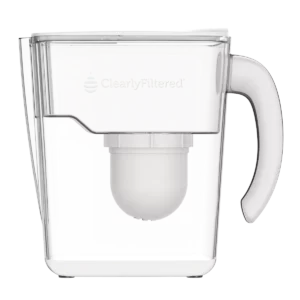
with Affinity Filtration Technology
👉 Shop Clearly Filtered Products
Fiber-Rich Foods and Oral Health: An Often-Overlooked Connection
Whole fruits, vegetables, nuts, and other fiber-containing foods can be part of a dietary pattern that supports both general and oral health.
Chewing certain firm, fibrous foods stimulates saliva production.
Saliva helps lubricate the mouth, buffer acids, and support normal oral function.
However, eating fiber-rich foods does not replace brushing, flossing, or routine dental care.
Some nutritious foods, including dried fruits, may also adhere to teeth and contribute to dental plaque concerns when oral hygiene is inadequate.
🍃 AllHealthFit1® Recommended Product: Maintain Your Oral Health Routine
Triple Bristle Electric Toothbrush
As individuals adopt healthier eating habits, maintaining good oral hygiene remains equally important.
The Triple Bristle Electric Toothbrush features a three-sided brush-head design intended to clean multiple tooth surfaces during brushing.
Its design may offer a convenient option for individuals interested in an electric toothbrush as part of their daily oral hygiene routine.
Regardless of the toothbrush selected, effective brushing with fluoride toothpaste twice daily, cleaning between teeth, and regular dental visits remain essential.
A fiber-rich diet supports overall nutrition, while proper oral hygiene helps protect teeth and gums.

👉Shop Triple Bristle Toothbrushes
Fiber Supplements: Are They Necessary?
Fiber supplements can be useful for certain individuals who struggle to meet dietary fiber recommendations through food alone.
Common supplemental fibers include psyllium, methylcellulose, and inulin.
However, these products are not interchangeable.
Psyllium has evidence supporting improvements in certain forms of constipation and reductions in LDL cholesterol.
Inulin is highly fermentable and may contribute to bloating or gas in sensitive individuals.
Whole foods generally provide additional nutrients, including vitamins, minerals, antioxidants, and other beneficial plant compounds.
For most people, obtaining fiber primarily through fruits, vegetables, whole grains, legumes, nuts, and seeds is a reasonable starting point.
Fiber supplements should be selected according to individual needs rather than simply choosing the product containing the largest number of grams.
Prevention and Long-Term Health
Fibermaxxing has brought renewed attention to an important nutritional concern: many people do not consume enough dietary fiber.
However, the greatest benefits are likely to come from consistent, balanced eating habits rather than extreme dietary changes.
Key Strategies
-
Aim for an age-appropriate daily fiber intake.
-
Increase fiber gradually rather than all at once.
-
Include a variety of fruits, vegetables, whole grains, and legumes.
-
Choose fiber-rich whole foods more often.
-
Maintain adequate hydration.
-
Monitor digestive symptoms as intake increases.
-
Use fiber supplements selectively when appropriate.
-
Maintain regular physical activity.
-
Continue appropriate preventive healthcare.
-
Avoid assuming that more fiber is always better.
The Centers for Disease Control and Prevention and other public health organizations encourage dietary patterns rich in vegetables, fruits, whole grains, and other nutrient-dense foods.
For individuals who currently consume little fiber, even modest improvements can be a meaningful step toward healthier nutrition.
The objective is not to maximize a single nutrient at the expense of overall dietary balance.
It is to build eating habits that support health over time.
🌿 AllHealthFit1® Pro Tip
Increase fiber gradually, choose a variety of plant foods, and maintain adequate hydration. The healthiest fiber intake is one that meets your nutritional needs without causing unnecessary digestive discomfort.
FAQ
1. What exactly is fibermaxxing?
Fibermaxxing is a wellness trend that encourages increasing dietary fiber consumption through foods such as vegetables, fruits, legumes, whole grains, nuts, seeds, and sometimes supplements. The goal is often to support digestion, gut health, cholesterol management, and metabolic wellness.
2. Can eating too much fiber be harmful?
Yes. Rapidly increasing fiber intake can cause gas, bloating, abdominal cramps, constipation, or diarrhea. Certain medical conditions may also require fiber restrictions or individualized recommendations.
3. Does fiber help lower cholesterol?
Certain viscous soluble fibers, particularly those found in oats, barley, and psyllium, can help reduce LDL cholesterol. The magnitude of the effect depends on the type and amount of fiber consumed.
4. Can fibermaxxing help with weight loss?
Fiber-rich foods may increase fullness and support appetite management. However, fiber alone does not guarantee weight loss. Overall dietary patterns and energy balance remain important.
5. Should I take fiber supplements every day?
Not everyone needs a supplement. Many people can improve their fiber intake through whole foods. Supplements may be appropriate for specific needs, but the type, amount, medication timing, and individual tolerance should be considered.
🌿 🩺 Beyond the Article: More Health Insights Worth Exploring
What Really Happens to Your Body When You Eat Processed Foods?
Can Drinking More Water Help Prevent UTIs? Here’s What You Should Know
🌿 Stay Connected With Our “Healthy You Insider” Newsletter
Receive weekly evidence-based insights on health & wellness, nutrition, fitness, and preventive health to support your journey to a healthier you.
👉 Join “Healthy You Insider”
📚 References
1. National Academies of Medicine, Food and Nutrition Board. Dietary Reference Intakes for Energy, Carbohydrate, Fiber, Fat, Fatty Acids, Cholesterol, Protein, and Amino Acids. National Academies Press. 2005.
2. Reynolds A, Mann J, Cummings J, Winter N, Mete E, Te Morenga L. Carbohydrate quality and human health: A series of systematic reviews and meta-analyses. The Lancet. 2019;393(10170):434–445. https://doi.org/10.1016/S0140-6736(18)31809-9
3. Anderson JW, Baird P, Davis RH Jr, et al. Health benefits of dietary fiber. Nutrition Reviews. 2009;67(4):188–205. https://doi.org/10.1111/j.1753-4887.2009.00189.x
4. Makki K, Deehan EC, Walter J, Bäckhed F. The impact of dietary fiber on gut microbiota in host health and disease. Cell Host & Microbe. 2018;23(6):705–715. https://doi.org/10.1016/j.chom.2018.05.012
5. Centers for Disease Control and Prevention. Fiber: The Carb That Helps You Manage Diabetes.https://www.cdc.gov/diabetes/healthy-eating/fiber-helps-diabetes.html
6. American Dental Association. Toothbrushes. Oral Health Topics. https://www.ada.org/resources/ada-library/oral-health-topics/toothbrushes
Affiliate Disclosure
As an Amazon Associate, AllHealthFit1® earns from qualifying purchases. AllHealthFit1® also participates in other affiliate marketing programs with select health, wellness, and lifestyle partners. This article may contain affiliate links, and if you choose to make a purchase through these links, I may earn a small commission at no additional cost to you. Your support helps sustain the development of evidence-based health education and wellness resources through AllHealthFit1®.
⚕️ Medical Disclaimer
Content on AllHealthFit1® is provided for educational and informational purposes only and is not intended as medical advice. Always consult a qualified healthcare professional regarding medical concerns, symptoms, screening, laboratory testing, diagnosis, or treatment decisions.
🩺 In Health & Wellness,
Marjorie DiCarlo, M.D., Ph.D., M.P.H.
AllHealthFit1® ❤️🏃♀️🍃