
🌿 What Is Heart Disease? Causes, Risk Factors, and Why Early Detection Matters 🌿
Learn what heart disease is, the key risk factors that contribute to it, and why early detection may help support long-term cardiovascular health.
By Marjorie DiCarlo, M.D., Ph.D., M.P.H.
Introduction: Why This Health Topic Matters
Chronic diseases affect millions of individuals worldwide and often develop gradually over time. According to the Centers for Disease Control and Prevention — Chronic Disease Overview, many long-term health conditions are influenced by a combination of metabolic, environmental, and lifestyle factors.
Understanding how diseases develop and identifying risk factors early are important components of preventive medicine.
Research increasingly suggests that metabolic health and mood are closely connected. When metabolic systems function properly, they support cardiovascular function, neurological balance, and emotional resilience. However, disruptions in metabolic regulation may influence multiple systems in the body.
Studies exploring metabolic health and mood suggest that metabolic balance may influence both physical and psychological well-being.
Preventive health strategies focus not only on treating disease but also on identifying risks early and supporting sustainable lifestyle habits that promote long-term wellness.
Understanding the Condition and How It Develops
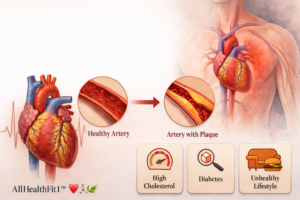 Heart disease refers to a range of conditions affecting the heart and circulatory system. The most common form is coronary artery disease, which occurs when plaque builds up inside the arteries supplying blood to the heart.
This process is often known as atherosclerosis. Over time, fatty deposits, inflammatory cells, and cholesterol accumulate along the inner walls of arteries. These deposits may gradually narrow blood vessels and reduce blood flow.
Several biological systems are involved in the development of cardiovascular disease, including:
• the vascular system
• metabolic regulation
• inflammatory pathways
• hormonal signaling
• neurological regulation
Many chronic conditions develop through interactions between metabolic processes, inflammation, and vascular function.
According to Harvard Medical School — Inflammation and Chronic Disease, chronic inflammation plays an important role in the development of many long-term health conditions including cardiovascular disease, metabolic disorders, and immune system dysregulation.
Inflammation may also affect neurological signaling. Research exploring inflammatory burden and mental healthsuggests inflammatory activity may influence neurotransmitters involved in mood regulation and cognitive clarity.
Understanding these biological connections helps explain why preventive medicine focuses on supporting overall metabolic balance.
Causes and Risk Factors
Heart disease rarely develops from a single cause. Instead, it typically emerges from multiple interacting biological and lifestyle factors over time.
Common contributors may include:
• genetic predisposition
• chronic inflammation
• sedentary lifestyle
• poor dietary habits
• smoking
• environmental exposures
• metabolic dysfunction
One important contributor to many chronic conditions is insulin resistance.
According to the Cleveland Clinic — Insulin Resistance, insulin resistance occurs when cells become less responsive to insulin, causing glucose to remain elevated in the bloodstream.
Over time this metabolic imbalance may increase the risk of several conditions including:
• type 2 diabetes
• cardiovascular disease
• obesity
• metabolic syndrome
Research examining blood sugar regulation and emotional resilience also suggests that fluctuations in glucose levels may influence energy stability, concentration, and mood stability.
Maintaining metabolic balance is therefore an important component of long-term disease prevention.
The Role of Metabolic Health
Metabolic health refers to the body’s ability to regulate several important biological processes including:
• blood glucose levels
• lipid metabolism
• inflammatory signaling
• hormonal balance
• cellular energy production
Healthy metabolic function helps support cardiovascular stability, neurological performance, and overall health.
Research exploring metabolic health and mood suggests metabolic stability may influence brain function and emotional well-being.
Similarly, studies examining inflammatory burden and mental health indicate chronic inflammation may affect neurotransmitter systems associated with mood stability.
According to the National Institutes of Health — Inflammation and Metabolic Disease, chronic inflammatory signaling has been linked to several metabolic and cardiovascular conditions.
These findings highlight the importance of maintaining metabolic health through lifestyle habits that support long-term wellness.
Preventive strategies aimed at supporting metabolic function may include balanced nutrition, regular physical activity, stress management, and sleep regulation.
Laboratory Testing and Early Detection
Laboratory testing plays an important role in identifying metabolic changes before symptoms appear.
One commonly used laboratory marker is Hemoglobin A1C testing, which measures the percentage of glucose attached to hemoglobin in red blood cells.
Because red blood cells circulate for approximately three months, A1C results reflect average blood sugar exposure over the previous 8–12 weeks.
Healthcare providers may use laboratory testing to:
• diagnose metabolic conditions
• monitor long-term glucose control
• evaluate treatment effectiveness
• identify early metabolic trends
According to the American Diabetes Association — Understanding A1C, monitoring A1C levels helps clinicians and patients better understand long-term glucose patterns.
Individuals interested in reviewing metabolic health markers can explore testing options through Ulta Lab Tests.

Preventive cardiovascular screening is also available through Life Line Screening, which provides non-invasive testing designed to identify early vascular changes.

👉 Schedule Your Preventive Screening Today
These screening options include:
• Carotid Artery Scan
• Peripheral Arterial Disease (PAD) Test
• Abdominal Aortic Aneurysm Test
• Atrial Fibrillation Test
• Chronic Disease Screening
Screening services are designed to help identify potential vascular issues before symptoms appear.
Potential benefits may include:
• early detection of serious conditions
• prevention of disease progression
• improved awareness of cardiovascular risk
• more affordable screening options
• access to screening without requiring insurance
Early detection strategies may allow individuals to make informed health decisions and discuss potential risk factors with their healthcare providers.
Prevention and Lifestyle Strategies
Preventive medicine focuses on lifestyle habits that support metabolic balance and reduce inflammatory stress.
Balanced Nutrition
 Whole foods rich in fiber, lean proteins, and healthy fats help support metabolic stability and cardiovascular health.
Dietary patterns emphasizing vegetables, whole grains, and nutrient-dense foods may help support chronic disease prevention.
Regular Physical Activity
Exercise improves circulation, enhances insulin sensitivity, and supports metabolic efficiency.
Regular movement may also improve cardiovascular conditioning and vascular health.
Stress Management
Chronic stress may increase inflammatory signaling and disrupt metabolic regulation.
Practices such as meditation, breathing exercises, and relaxation techniques may support emotional resilience.
Sleep and Recovery
Restorative sleep plays an important role in hormonal balance, immune function, and metabolic health.
Insufficient sleep has been associated with metabolic dysregulation and cardiovascular risk.
Hydration and Nutritional Balance
Adequate hydration supports circulation, nutrient transport, and cellular metabolism.
Together these lifestyle habits support blood sugar regulation and emotional resilience while promoting long-term health.
🌿 AllHealthFit1™ Pro Tip ❤️🏃♀️🍃
Long-term health improvements often result from consistent daily habits rather than extreme short-term changes.
Balanced nutrition, regular physical activity, restorative sleep, and stress management help create the metabolic foundation needed for long-term wellness.
Small sustainable improvements often lead to meaningful health benefits over time.
🌿 Frequently Asked Questions
1. What causes many chronic diseases to develop?
Chronic diseases often develop through a combination of metabolic, genetic, environmental, and lifestyle factors.
2. How does metabolic health influence overall wellness?
Metabolic health affects blood sugar regulation, inflammation, hormone balance, and cardiovascular function.
3. Can lifestyle habits reduce disease risk?
Healthy nutrition, physical activity, stress management, and adequate sleep may help support long-term health.
4. What is Hemoglobin A1C testing?
It is a laboratory test used to measure average blood sugar levels over approximately two to three months.
5. When should someone consult a healthcare professional?
Individuals should seek medical advice if they experience symptoms, have risk factors, or have concerns about their health.
______________________________________________________________________________________________________________________________________________________________________________
📩 Stay Connected With Evidence-Based Wellness Insights
Through the “Healthy You Insider” newsletter, I share research summaries, evidence-based wellness insights, and practical strategies focused on metabolic health, nutrition, and preventive medicine.
_____________________________________________________________________________________________________________________________________________________
📚 References
Centers for Disease Control and Prevention — Chronic Disease Overview
Harvard Medical School — Inflammation and Chronic Disease
Cleveland Clinic — Insulin Resistance
American Diabetes Association — Understanding A1C
National Institutes of Health — Inflammation and Metabolic Disease
⚠️ Medical Disclaimer
Content on AllHealthFit1™ is for educational purposes only and is not intended to diagnose, treat, cure, or prevent any disease. Always consult a qualified healthcare professional regarding medical concerns.
🩺 In Health & Wellness
Marjorie DiCarlo, M.D., Ph.D., M.P.H.
AllHealthFit1™ ❤️🏃♀️🍃