
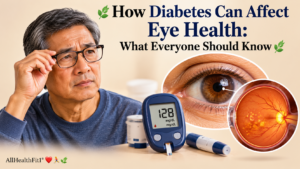
A brief evidence-based overview explaining how diabetes may affect vision, increase the risk of eye disease, and influence long-term ocular health. Learn how blood sugar management, preventive screening, hydration, and healthy lifestyle habits may help support eye health over time.
By Marjorie DiCarlo, M.D., Ph.D., M.P.H.
🌿 Introduction
Diabetes affects millions of people worldwide and can impact many areas of health, including vision. While most individuals are familiar with diabetes-related complications involving the heart, kidneys, and nerves, fewer realize that diabetes is also a leading cause of vision loss among adults.
Elevated blood sugar levels can damage the small blood vessels that nourish the eyes. Over time, these changes may increase the risk of diabetic retinopathy, cataracts, glaucoma, and other vision-related conditions.
The good news is that many diabetes-related eye complications may be delayed or reduced through proper blood sugar management, preventive screening, and healthy lifestyle habits. Understanding the connection between diabetes and eye health can help individuals take proactive steps toward protecting their vision.
🌿 How Diabetes Affects the Eyes
The retina is a light-sensitive layer of tissue located at the back of the eye. It contains tiny blood vessels that supply oxygen and nutrients necessary for normal vision.
When blood sugar levels remain elevated for prolonged periods, these blood vessels may become damaged. They can weaken, leak fluid, swell, or become blocked. In some cases, abnormal new blood vessels may form, increasing the risk of vision problems.
Because these changes often occur gradually, many individuals may not notice symptoms until significant damage has already developed. This highlights the importance of regular eye examinations, particularly for people living with diabetes.
Common Symptoms of Diabetes-Related Eye Disease
• Blurred vision
• Difficulty seeing at night
• Floaters or dark spots
• Fluctuating vision
• Distorted vision
• Partial vision loss
Any sudden change in vision should be evaluated promptly by a healthcare professional.
🌿 Diabetic Retinopathy: A Leading Cause of Vision Loss
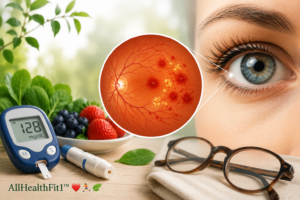 Diabetic retinopathy is one of the most common eye complications associated with diabetes.
This condition develops when high blood sugar damages the retinal blood vessels. Early stages often produce no symptoms, making routine screening essential.
As diabetic retinopathy progresses, damaged blood vessels may leak blood or fluid into the retina. In advanced cases, fragile new blood vessels can develop and cause significant vision impairment.
Risk Factors for Diabetic Retinopathy
• Long-standing diabetes
• Poor blood sugar control
• Elevated cholesterol levels
• Smoking
Early detection remains one of the most effective strategies for preserving vision and preventing complications.
🌿 Other Eye Conditions Linked to Diabetes
Diabetes may also increase the risk of several additional eye disorders.
Cataracts
According to the American Diabetes Association, people with diabetes have a higher risk of developing cataracts compared with those without diabetes. Elevated blood sugar levels may contribute to changes within the lens of the eye, affecting its clarity over time.
During my years working in healthcare, I frequently encountered patients with diabetes who reported gradually worsening vision that was later attributed to cataract development. Many described increasing difficulty driving at night, reading small print, or coping with glare from bright lights.
As cataracts progress, individuals may notice blurry vision, increased sensitivity to light, difficulty seeing at night, or faded color perception. Regular comprehensive eye examinations can help identify cataracts early and determine when treatment may be appropriate.
Glaucoma
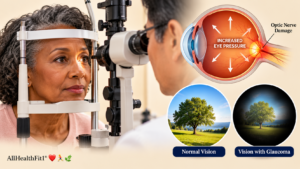 According to the National Eye Institute, individuals with diabetes are at greater risk for developing glaucoma than the general population. In many cases, glaucoma develops gradually and may not cause noticeable symptoms during its early stages.
In my professional experience, one of the challenges with glaucoma is that patients often feel their vision is normal until significant damage has already occurred. This underscores the importance of routine eye examinations, particularly for individuals with diabetes and other vascular risk factors.
As optic nerve damage progresses, peripheral vision may slowly decline. Because vision loss caused by glaucoma is often irreversible, routine eye examinations remain an important component of preventive eye care.
Diabetic Macular Edema
According to research supported by the National Institutes of Health, diabetic macular edema can develop when damaged retinal blood vessels leak fluid into the macula. Individuals may experience blurred central vision, difficulty focusing, or objects appearing distorted.
Throughout my healthcare career, I have observed that many patients are surprised to learn that diabetes can affect the central portion of vision needed for everyday activities such as reading, driving, and recognizing faces. Because symptoms may develop gradually, routine screening remains essential.
Because the macula plays a critical role in detailed vision, even mild swelling can significantly affect visual function. Early diagnosis and treatment may help reduce the risk of permanent vision impairment.
Dry Eye Symptoms
According to the Centers for Disease Control and Prevention, diabetes can affect multiple aspects of eye health, including tear production and ocular surface function. Diabetes may affect the nerves and glands responsible for maintaining a healthy tear film.
In my experience, some patients with diabetes reported persistent eye irritation, burning, or a sensation that something was in the eye, only to discover that dry eye symptoms were contributing to their discomfort. These symptoms may seem minor initially but can significantly affect quality of life if left unaddressed.
Common symptoms include burning, stinging, redness, a gritty sensation, or fluctuating vision throughout the day. Maintaining healthy blood sugar levels and discussing persistent symptoms with an eye care professional may help support overall eye comfort and visual health.
🌿 Blood Sugar Management and Vision Protection
Maintaining healthy blood sugar levels is one of the most important steps individuals can take to protect their eyesight.
Research has consistently demonstrated that improved glucose control may help reduce the risk of diabetic eye complications and slow disease progression.
Strategies That May Support Healthy Blood Sugar Management
• Following a balanced nutrition plan
• Participating in regular physical activity
• Taking prescribed medications as directed
• Monitoring blood glucose levels
• Managing blood pressure
• Maintaining healthy cholesterol levels
Because diabetes affects blood vessels throughout the body, protecting overall cardiovascular and metabolic health may also support long-term eye health.
🌿 Lifestyle Habits That Support Healthy Vision
Healthy lifestyle choices may play an important role in both diabetes management and vision preservation.
Regular Physical Activity
Exercise supports circulation, cardiovascular health, and glucose regulation. Improved blood flow helps deliver oxygen and nutrients throughout the body, including the eyes.
Balanced Nutrition
Foods rich in vitamins, antioxidants, and minerals may support retinal health and overall wellness. A diet emphasizing vegetables, fruits, lean proteins, healthy fats, and whole grains can contribute to better metabolic balance.
Adequate Sleep
Quality sleep supports hormonal regulation, recovery, and blood sugar control.
Stress Management
Chronic stress may contribute to elevated blood glucose levels and inflammation. Stress-reduction techniques such as walking, mindfulness, and relaxation exercises may support overall health.
Avoid Smoking
Smoking can damage blood vessels and may increase the risk of diabetes-related complications, including vision problems.
🌿 Preventive Screening and Early Detection
Routine eye examinations remain one of the most important strategies for protecting vision in individuals with diabetes.
Because diabetic eye disease may develop silently, regular dilated eye examinations can help identify changes before symptoms occur. Early detection often provides the greatest opportunity for intervention and long-term vision preservation.
Monitoring Important Health Markers
In addition to eye examinations, monitoring important biomarkers such as Hemoglobin A1c (HbA1c), fasting glucose, and cholesterol levels may provide valuable insight into diabetes management.
Ulta Lab Tests offers convenient access to diabetes-related laboratory testing and health screening services, allowing individuals to monitor important health markers and take a proactive approach to preventive wellness.

🌿 Hydration and Overall Wellness
Hydration supports circulation, cellular function, and overall physiological health. Adequate fluid intake helps maintain blood volume and supports nutrient delivery throughout the body, including the eyes.
Why Water Quality May Matter
Water quality may also be an important consideration for individuals seeking to support long-term wellness.
More than 320 contaminants have been identified in U.S. tap water. Clearly Filtered® developed its proprietary Affinity® Filtration Technology to remove up to 99.9% of many common contaminants while preserving beneficial minerals.
Their filtration systems target contaminants such as lead, chlorine, fluoride, arsenic, PFAS, and other unwanted substances commonly found in drinking water.

👉Learn More About Clearly Filtered®
🌿 Prevention and Long-Term Eye Health
Protecting vision requires a proactive approach to wellness. Small, consistent habits practiced over time may contribute to healthier outcomes and improved quality of life.
Key Preventive Strategies
• Maintain healthy blood sugar levels
• Schedule routine eye examinations
• Monitor blood pressure and cholesterol
• Exercise regularly
• Follow a balanced nutrition plan
• Stay hydrated
• Avoid smoking
• Participate in preventive health screening
These lifestyle practices support both metabolic health and long-term vision wellness.
🌿 AllHealthFit1™ Pro Tip ❤️🏃♀️🍃
Many diabetes-related eye complications develop silently before symptoms appear. Consistent blood sugar management and routine dilated eye examinations remain two of the most effective ways to protect long-term vision.
🌿 FAQ
1.Can diabetes affect vision even if I feel fine?
Yes. Many diabetes-related eye conditions develop without symptoms during their early stages.
2.What is diabetic retinopathy?
Diabetic retinopathy is damage to retinal blood vessels caused by elevated blood sugar levels.
3.How often should individuals with diabetes have eye exams?
Most people with diabetes should have regular dilated eye examinations as recommended by their healthcare provider.
4.Can blood sugar control help protect vision?
Yes. Maintaining healthy blood sugar levels may help reduce the risk of diabetic eye complications.
5.What laboratory tests are commonly used to monitor diabetes?
Common tests include Hemoglobin A1c (HbA1c), fasting glucose, and lipid panels.
📚 Continue Reading
👉 🌿The Modern Food Environment & Emotional Health: A Metabolic Perspective on What We Eat
🌿 Stay Connected With Our “Healthy You Insider” Newsletter 🌿
Receive weekly evidence-based insights on health & wellness, nutrition, fitness, and preventive health to support your journey to a healthier you.
📚 References
- American Diabetes Association — Eye Health and Diabetes
- National Eye Institute — Diabetic Eye Disease
- Centers for Disease Control and Prevention — Diabetes and Vision Health
- National Institutes of Health — Diabetic Retinopathy Research
🌿 Affiliate Disclosure: This article may contain affiliate links from select partners. If you choose to make a purchase through these links, I may earn a small commission at no additional cost to you. Your support helps sustain the development of science-based health information through AllHealthFit1™.
⚠️ Medical Disclaimer: Content on AllHealthFit1™ is provided for educational and informational purposes only and is not intended as medical advice. Always consult a qualified healthcare professional regarding medical concerns.
🩺 In Health & Wellness
Marjorie DiCarlo, M.D., Ph.D., M.P.H.
AllHealthFit1™ ❤️🏃♀️🍃