

🌿 The Connection Between Hydration and Urinary Tract Health: Simple Habits That May Help Prevent UTIs 🌿
A brief evidence-based overview explaining how proper hydration supports urinary tract health, helps maintain normal urinary function, and may contribute to healthy lifestyle habits that support overall wellness.
By Marjorie DiCarlo, M.D., Ph.D., M.P.H.
Why This Health Topic Matters
Urinary tract health is an important component of overall wellness, yet it is often overlooked until symptoms develop. Millions of people experience urinary tract infections (UTIs) each year, making them one of the most common bacterial infections worldwide.
Although UTIs can affect individuals of all ages, women are particularly susceptible due to differences in urinary tract anatomy. Fortunately, healthy lifestyle habits may help support urinary tract health and reduce the risk of certain urinary problems.
One of the most important preventive habits is maintaining proper hydration. Water plays a critical role in helping the kidneys filter waste products, supporting healthy bladder function, and promoting normal urine production.
Understanding the relationship between hydration and urinary tract health may help individuals make informed decisions that support long-term wellness and overall health.
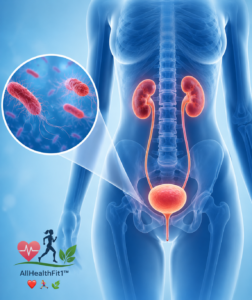 What Is the Urinary Tract and What Is a Urinary Tract Infection?
The urinary tract is the body’s drainage system responsible for removing waste products and excess fluids through urine. Several structures work together continuously to maintain fluid balance and eliminate metabolic waste.
Kidneys
The kidneys are two bean-shaped organs located near the middle of the back. They continuously filter blood, removing excess water, toxins, and waste products to produce urine.
Ureters
The ureters are two narrow tubes that transport urine from the kidneys to the bladder.
Bladder
The bladder is a hollow muscular organ that stores urine until it is released from the body.
Urethra
The urethra is the tube that carries urine from the bladder to the outside of the body during urination.
Together, these structures form the urinary tract and help maintain normal bodily function.
What Is a Urinary Tract Infection?
A urinary tract infection (UTI) occurs when bacteria enter the urinary system and begin multiplying. Most infections involve the lower urinary tract, including the bladder and urethra.
According to According to the National Institute of Diabetes and Digestive and Kidney Diseases (NIDDK), urinary tract infections are among the most common bacterial infections affecting women., women are more likely to develop UTIs because the female urethra is shorter, allowing bacteria easier access to the bladder.
Common symptoms of a urinary tract infection may include:
• Burning during urination
• Frequent urination
• A sudden urge to urinate
• Cloudy urine
• Strong-smelling urine
• Pelvic discomfort
• Lower abdominal pressure
If left untreated, some infections may spread to the kidneys and require more extensive medical treatment.
Recognizing symptoms early and seeking prompt medical evaluation may help reduce complications.
How Hydration Supports Urinary Tract Function

Water is essential for nearly every biological process in the body. Within the urinary system, hydration helps maintain healthy urine production and supports the body’s natural waste-removal processes.
When fluid intake is adequate, the kidneys can efficiently filter waste products while producing urine that helps flush bacteria from the urinary tract.
When individuals do not consume enough fluids, urine becomes more concentrated. Concentrated urine may irritate the bladder and may allow bacteria to remain within the urinary tract longer than normal.
Proper hydration supports:
• Healthy kidney filtration
• Normal urine production
• Bladder function
• Waste elimination
• Overall urinary tract health
Research has suggested that increasing water intake may help reduce recurrent urinary tract infections in certain individuals who are prone to frequent infections.
Hydration needs vary based on age, body size, activity level, climate, and medical conditions. For most individuals, consistently drinking water throughout the day is an effective strategy for maintaining fluid balance.
A simple way to assess hydration is to observe urine color. Pale yellow urine often indicates adequate hydration, while darker urine may suggest additional fluid intake is needed.
Recognizing Signs of Dehydration and the Importance of Water Quality
Many people experience mild dehydration without realizing it.
Common symptoms of dehydration may include:
• Increased thirst
• Dry mouth
• Fatigue
• Headaches
• Dizziness
• Dark yellow urine
• Reduced urine output
• Difficulty concentrating
Older adults may be particularly vulnerable because the sensation of thirst often decreases with age. Individuals who exercise regularly or live in warmer climates may also require additional fluid intake.
While drinking enough water is important, water quality may also influence hydration habits. Many individuals find it easier to maintain healthy hydration when they have access to clean, great-tasting drinking water.
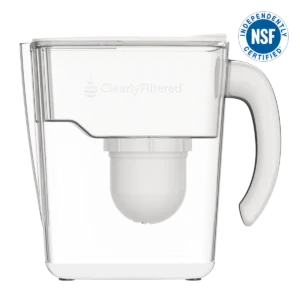
💧 Hydration Support Option
Maintaining proper hydration begins with having access to clean, great-tasting drinking water. Clearly Filtered Water Pitchers and Filtration Systems are designed to reduce many common contaminants while providing filtered water for everyday use.
Explore All Clearly Filtered Products
🌿 Why Hydration Matters
🫗 Supports healthy urinary tract function
🫗 Supports kidney health
🫗 Helps maintain normal body temperature
🫗 Supports digestion and overall wellness
Lifestyle Habits That Support Urinary Tract Health
Hydration is only one aspect of maintaining urinary wellness. Several additional healthy habits may also support urinary tract function.
Maintain Consistent Fluid Intake
Drinking water regularly throughout the day helps support healthy urinary flow and bladder function.
Avoid Delaying Urination
Regular bladder emptying may help reduce bacterial accumulation within the urinary tract.
Practice Good Hygiene
Appropriate personal hygiene habits may help reduce bacterial exposure.
Consume a Balanced Diet
Many fruits and vegetables contribute both hydration and nutrients that support overall wellness.
Examples include:
• Watermelon
• Cucumbers
• Strawberries
• Oranges
• Celery
• Lettuce
Maintain Overall Metabolic Health
Regular physical activity, healthy nutrition, stress management, and adequate sleep support immune function and overall health.
Together, these habits create a strong foundation for urinary tract wellness.
When Urinary Symptoms Require Medical Attention
Although preventive habits are important, it is equally important to recognize symptoms that may require medical evaluation.
Common symptoms associated with urinary tract infections may include:
• Burning during urination
• Increased urinary frequency
• Urinary urgency
• Cloudy urine
• Pelvic discomfort
• Strong-smelling urine
• Lower abdominal pressure
If symptoms develop, timely medical evaluation is important because untreated infections can occasionally progress and affect the kidneys.
🩺 Featured UTI Support Option
Urinary tract infections can occur even in individuals who maintain healthy lifestyle habits. When symptoms develop, timely evaluation is important. TreatMyUTI connects eligible patients with licensed healthcare providers for evaluation and treatment of uncomplicated urinary tract infections through a convenient online platform.

🌿 Why Early Evaluation Matters
🫗 May help address symptoms sooner
🫗 Convenient online healthcare access
🫗 Prescription options may be sent to a local pharmacy for eligible patients
🫗 Supports timely evaluation of uncomplicated urinary tract infections
⚠️ Individuals experiencing severe symptoms, high fever, vomiting, flank pain, blood in the urine, or signs of a kidney infection should seek immediate medical attention.
Prevention Strategies for Long-Term Urinary Wellness
Preventive health focuses on supporting healthy habits before illness develops.
Several daily strategies may help support urinary tract health:
Stay Hydrated
Consistent hydration remains one of the simplest and most effective habits for supporting urinary tract function.
Exercise Regularly
Physical activity supports circulation, metabolic function, and overall wellness.
Prioritize Sleep
Restorative sleep supports immune function, recovery, and overall health.
Manage Stress
Chronic stress may influence immune regulation and overall well-being.
Schedule Preventive Health Evaluations
Routine healthcare visits may help identify health concerns before symptoms become more significant.
By combining hydration with healthy lifestyle habits, individuals can support urinary tract function and overall wellness throughout life.
🌿 AllHealthFit1™ Pro Tip
One of the easiest ways to improve hydration is to carry a reusable water bottle and sip water consistently throughout the day rather than waiting until you feel thirsty.
Small daily habits such as proper hydration, balanced nutrition, regular exercise, quality sleep, and stress management often create the foundation for long-term health and wellness.
Remember that lasting health improvements are usually built through consistency rather than perfection.
🌿 Frequently Asked Questions
1. What is the primary function of the urinary tract?
The urinary tract removes waste products and excess fluids from the body through urine.
2. Can drinking more water help prevent urinary tract infections?
Research suggests increased water intake may help reduce recurrent UTIs in some individuals by supporting normal urinary flow.
3. What are common symptoms of a urinary tract infection?
Common symptoms may include burning during urination, urinary urgency, frequent urination, cloudy urine, and pelvic discomfort.
4. How can I tell if I am dehydrated?
Common signs include thirst, dry mouth, headaches, fatigue, dizziness, and dark-colored urine.
5. When should I seek medical attention for urinary symptoms?
Individuals should seek medical evaluation if they experience painful urination, fever, blood in the urine, back pain, worsening symptoms, or concerns about a urinary tract infection.
📩 Stay Connected With Evidence-Based Wellness Insights
Through the Healthy You Insider newsletter, I share evidence-based wellness information, research summaries, preventive health strategies, and practical lifestyle guidance.
👉 Subscribe Here Join "Healthy You Insider"
📚 Continue Reading
👉 🌿 Mastering Diabetes for a Healthier Life: Essential Facts You Need to Know
🌿 What Is Heart Disease? Causes, Risk Factors, and Why Early Detection Matters
📚 References
National Institute of Diabetes and Digestive and Kidney Diseases (NIDDK). Urinary Tract Infections.
Mayo Clinic. Dehydration: Symptoms and Causes.
⚠️ Affiliate Disclosure: Some links may be affiliate links. As an affiliate, AllHealthFit1 may earn a commission from qualifying purchases at no additional cost to you.
⚠️ Medical Disclaimer: Content on AllHealthFit1™ is for educational and informational purposes only and is not medical advice. It is not intended to diagnose, treat, cure, or prevent any disease. Always consult a qualified healthcare professional regarding medical concerns.
🩺 In Health & Wellness
Marjorie DiCarlo, M.D., Ph.D., M.P.H.
AllHealthFit1™ ❤️🏃♀️🍃