

Fiber 101: Why It’s Essential for Heart, Gut, and Blood Sugar Health
A practical overview of how dietary fiber supports cardiovascular health, digestive wellness, the gut microbiome, and healthy blood sugar regulation—and simple ways to include more fiber-rich foods in everyday meals.
By Marjorie DiCarlo, M.D., Ph.D., M.P.H.
🌿 Introduction
Dietary fiber may not receive the same attention as protein, vitamins, or healthy fats, but it plays an important role in overall health.
Fiber is a type of carbohydrate found primarily in plant foods. Unlike sugars and starches, much of dietary fiber is not broken down and absorbed in the small intestine. Instead, it travels through the digestive system, where different types of fiber can influence digestion, cholesterol, blood sugar, bowel regularity, and the microorganisms living in the gut.
Yet many Americans consume far less fiber than recommended. The Centers for Disease Control and Prevention notes that most U.S. adults consume only about half the fiber they need. Depending on age and sex, adults generally need approximately 22–34 grams of fiber per day.
Increasing fiber intake does not require complicated diets or expensive specialty foods. Vegetables, fruits, beans, lentils, nuts, seeds, oats, and whole grains are all valuable sources.
Understanding what fiber does inside the body can make it easier to appreciate why this simple component of food deserves a regular place on the plate.
🌿 Understanding Dietary Fiber
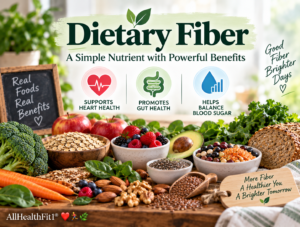 Dietary fiber is naturally present in many plant foods, including vegetables, fruits, legumes, whole grains, nuts, and seeds.
The FDA recognizes dietary fiber as nondigestible soluble and insoluble carbohydrates and lignin that occur naturally in plants, along with certain isolated or synthetic nondigestible carbohydrates shown to provide beneficial physiological effects. These effects may include lowering blood glucose or cholesterol and supporting regular bowel movements.
Fiber is commonly divided into two broad categories.
Soluble Fiber
Soluble fiber dissolves in water and forms a gel-like substance in the digestive tract.
This can slow digestion and influence the absorption of glucose and cholesterol.
Good sources include:
• Oats and barley
• Beans and lentils
• Apples
• Citrus fruits
• Avocados
• Peas
• Brussels sprouts
Insoluble Fiber
Insoluble fiber does not dissolve in water. Instead, it adds bulk to stool and helps food move through the digestive tract.
Sources include:
• Whole grains
• Wheat bran
• Nuts and seeds
• Beans
• Vegetable skins
• Many fruits and vegetables
Both forms are valuable, which is one reason consuming a variety of plant foods is preferable to relying on a single source of fiber.
🌿 Fiber and Heart Health
One of fiber’s most recognized benefits involves cardiovascular health.
Soluble fiber can interfere with the absorption of some cholesterol and fat within the digestive system. Over time, this may contribute to healthier blood cholesterol levels.
The CDC notes that fiber may help lower cholesterol and triglyceride levels and may reduce heart disease risk.
Fiber-rich diets also tend to contain foods that naturally provide other heart-supportive nutrients, including potassium, magnesium, antioxidants, and unsaturated fats.
Fiber-Rich Foods for Heart Health
Consider regularly including:
• Oatmeal
• Barley
• Beans
• Lentils
• Apples and pears
• Berries
• Ground flaxseed
• Chia seeds
• Almonds and walnuts
• Vegetables
Importantly, fiber should be viewed as part of an overall heart-healthy lifestyle rather than an isolated solution.
Regular physical activity, maintaining a healthy weight, avoiding smoking, controlling blood pressure, and monitoring cholesterol remain important components of cardiovascular disease prevention.
Preventive Cardiovascular Screening
Cardiovascular disease can sometimes develop without obvious warning symptoms. Preventive health screening may provide additional information about certain cardiovascular risk factors.
Life Line Screening offers preventive screening services for conditions including carotid artery disease, peripheral arterial disease, abdominal aortic aneurysm, and atrial fibrillation. Its cardiovascular screening services are designed to identify certain abnormalities that may warrant additional medical evaluation.
👉 Life Line Screening — Preventive Cardiovascular & Health Screening
Screening does not replace routine medical care. Results should be discussed with a qualified healthcare professional who can interpret them within the context of an individual’s overall medical history and risk factors.
🌿 Fiber, Gut Health, and the Microbiome
Fiber also plays an important role in digestive health.
Insoluble fiber adds bulk to stool and can support regular bowel movements, while certain fermentable fibers provide fuel for microorganisms living in the intestinal tract.
Collectively, these microorganisms form the gut microbiome.
Some gut bacteria ferment dietary fiber and produce compounds known as short-chain fatty acids, including acetate, propionate, and butyrate. Research suggests these metabolites participate in intestinal and metabolic processes throughout the body.
This relationship helps explain why fiber is increasingly viewed as more than something that simply prevents constipation.
Fiber May Help Support:
• Regular bowel movements
• Healthy stool formation
• Beneficial gut microorganisms
• Production of short-chain fatty acids
• A healthy intestinal environment
• Greater satiety after meals
Different fibers interact with the microbiome differently, so variety matters.
Rather than focusing on one “superfood,” a practical strategy is to regularly rotate vegetables, fruits, legumes, whole grains, nuts, and seeds.
A bowl containing beans, leafy greens, vegetables, avocado, and whole grains, for example, provides several different types of plant fibers in one meal.
🌿 Fiber and Blood Sugar Regulation
Fiber can be especially valuable for metabolic health.
Unlike many digestible carbohydrates, fiber is not broken down and absorbed as glucose in the same way. Soluble fiber can also slow digestion, which may moderate how quickly glucose enters the bloodstream after a meal.
The CDC specifically identifies blood sugar control as one of fiber’s important health benefits and notes that fiber does not produce the same blood sugar rise as digestible carbohydrates.
This does not mean that foods containing fiber cannot raise glucose. Many fiber-rich foods also contain digestible carbohydrates.
Instead, fiber is one component that influences the overall metabolic response to a meal.
Building a More Balanced Meal
A practical meal might combine:
Fiber: vegetables, beans, lentils, or whole grains
Protein: fish, chicken, eggs, tofu, or Greek yogurt
Healthy fats: avocado, nuts, seeds, or olive oil
Combining these foods may create a more balanced meal while also improving fullness and overall nutrient intake.
Understanding Your Personal Glucose Response
Individuals can respond differently to the same foods, portion sizes, meals, exercise, sleep, and stress.
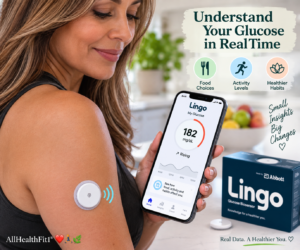 For adults interested in learning more about their personal glucose patterns, Abbott’s Lingo Continuous Glucose Monitor (CGM) provides continuous glucose information throughout the day.
The Lingo biosensor measures glucose responses to food, exercise, and stress and sends the information to a compatible smartphone. Abbott states that the system provides 24/7 glucose tracking, and each biosensor is designed to last up to 14 days. Lingo currently works with compatible iOS and Android devices.
👉 Abbott Lingo Continuous Glucose Monitor — 24/7 Glucose Tracking
Seeing real-time glucose patterns may help some individuals better understand how meals and daily habits affect their personal glucose response.
The Lingo Glucose System is intended for adults 18 years and older who are not on insulin and is not intended to diagnose diseases, including diabetes. Individuals should consult a healthcare professional before making significant dietary or exercise changes based on glucose data.
👉
🌿 Simple Ways to Eat More Fiber
Increasing fiber does not have to involve completely changing the way you eat.
Small substitutions can make a meaningful difference over time.
Start With Breakfast
Instead of a low-fiber breakfast, consider oatmeal topped with berries, walnuts, chia seeds, or ground flaxseed.
Add Beans and Lentils
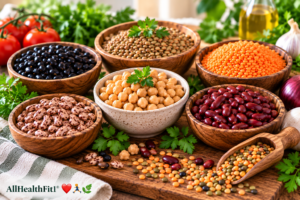 Beans can easily be added to salads, soups, chili, casseroles, and grain bowls.
Choose Whole Grains
Consider replacing some refined grains with:
• Brown rice
• Quinoa
• Barley
• Oats
• Whole-grain bread
• Whole-wheat pasta
Eat the Whole Fruit
Whole fruits generally provide more fiber than fruit juice.
Apples, pears, oranges, berries, and other fruits can make convenient snacks while contributing vitamins, minerals, antioxidants, and fiber.
Make Vegetables More Visible
Aim to include vegetables in multiple meals rather than relying entirely on dinner.
Spinach can be added to eggs. Vegetables can be included in sandwiches, soups, salads, and grain bowls.
Keep Nuts and Seeds Available
Chia seeds, flaxseed, almonds, walnuts, pistachios, and pumpkin seeds can add fiber along with beneficial fats and other nutrients.
Increase Fiber Gradually
More is not always better immediately.
Increasing fiber too quickly can cause bloating, gas, cramping, constipation, or diarrhea. The CDC recommends gradually increasing fiber intake and drinking adequate water as fiber intake rises.
Individuals with certain gastrointestinal disorders or medical conditions should discuss major dietary changes with their healthcare professional.
🌿 Prevention and Long-Term Metabolic Health
Fiber is only one component of a healthy lifestyle, but it connects several important areas of wellness.
A diet rich in plant foods can simultaneously support digestive health, cardiovascular health, blood sugar management, satiety, and overall nutrition.
Key Strategies
• Eat vegetables and fruits regularly
• Include beans and lentils throughout the week
• Choose whole grains more often
• Include nuts and seeds
• Increase fiber gradually
• Drink adequate water
• Participate in regular physical activity
• Monitor blood pressure, cholesterol, and blood glucose when appropriate
• Participate in recommended preventive health screenings
• Discuss persistent digestive or metabolic concerns with a healthcare professional
Rather than focusing exclusively on the number of grams consumed each day, consider the overall diversity and quality of fiber-rich foods in the diet.
Small choices repeated consistently can gradually build a healthier eating pattern.
____________________________________________________________________________________________________________________________________________________
🌿 Affiliate Partners Featured in This Article
Life Line Screening — Preventive cardiovascular and health screening services, including screenings for carotid artery disease, peripheral arterial disease, abdominal aortic aneurysm, and atrial fibrillation.

👉 Schedule Your Lifeline Screening Today!
Abbott Lingo Continuous Glucose Monitor Biosensors (CGM) — Provides 24/7 glucose tracking and real-time information designed to help eligible adults better understand how food, activity, and other daily habits influence glucose patterns. One biosensor is designed to last up to 14 days.*

👉 Abbott Lingo Continuous Glucose Monitor Biosensors (CGM)
*Actual sensor wear time may vary. Follow Abbott’s current product labeling and compatibility requirements.
🌿 AllHealthFit1® Pro Tip ❤️🏃♀️🍃
I encourage you to think variety, not just quantity. Rather than relying on one cereal, supplement, or food for most of your daily fiber, I recommend including a variety of plant-based sources throughout the day. I like to think of it simply: oats at breakfast, berries for a snack, beans at lunch, vegetables at dinner, and nuts or seeds along the way. These small choices can provide different types of fiber while adding greater nutritional variety to your diet.
🌿 FAQ
1. How much fiber do adults need each day?
General recommendations range from approximately 22–34 grams per day, depending on age and sex. Individual needs may vary.
2. Can fiber help lower cholesterol?
Certain soluble fibers can help reduce cholesterol absorption in the digestive tract and may contribute to healthier cholesterol levels.
3. Does fiber help control blood sugar?
Fiber can slow digestion and glucose absorption and may help moderate post-meal blood sugar responses.
4. What are some of the best natural sources of fiber?
Vegetables, fruits, beans, lentils, oats, barley, whole grains, nuts, and seeds are excellent sources.
5. Should fiber intake be increased quickly?
Usually not. Increasing fiber gradually allows the digestive system time to adjust and may reduce bloating, gas, and abdominal discomfort. Adequate hydration is also important.
📚 Continue Reading
👉 🌿 Your Gut and Brain Are Deeply Connected: How Nutrition Influences Mood Stability
👉 🌿 The Modern Food Environment & Emotional Health: A Metabolic Perspective on What We Eat
🌿 Stay Connected With Our “Healthy You Insider” Newsletter 🌿
Receive weekly insights on health & wellness, nutrition, fitness, and preventive health to support your journey to a healthier you.
📚 References
-
- Centers for Disease Control and Prevention. Fiber: The Carb That Helps You Manage Diabetes
- U.S. Food and Drug Administration. Questions and Answers on Dietary Fiber
- Makki K, Deehan EC, Walter J, Bäckhed F. The Impact of Dietary Fiber on Gut Microbiota in Host Health and Disease. Cell Host & Microbe. 2018;23(6):705–715.
🌿 Affiliate Disclosure: This article contains affiliate links from select partners, including Life Line Screening and Abbott Lingo. If you choose to make a purchase through these links, I may earn a small commission at no additional cost to you. Your support helps sustain the development of health and wellness information through AllHealthFit1®.
⚠️ Medical Disclaimer: Content on AllHealthFit1® is provided for educational and informational purposes only and is not intended as medical advice, diagnosis, or treatment. Always consult a qualified healthcare professional regarding medical concerns and before making significant changes to your diet, medications, exercise program, or health-monitoring routine.
🩺 In Health & Wellness
Marjorie DiCarlo, M.D., Ph.D., M.P.H.
Founder & Health Educator, AllHealthFit1®
AllHealthFit1® ❤️🏃♀️🍃