🌿 What Really Happens to Your Body When You Eat Processed Foods? 🌿
An evidence-based look at processed foods, how different levels of food processing may affect the body, and simple ways to make healthier choices without eliminating every packaged or convenient food.
By Marjorie DiCarlo, M.D., Ph.D., M.P.H.
Introduction
Take a look inside the average kitchen, refrigerator, or pantry and you will probably find processed foods.
Bread, yogurt, cheese, canned beans, frozen vegetables, breakfast cereal, deli meats, crackers, frozen dinners, and bottled sauces have all undergone some form of processing before reaching the table.
But does that mean they are all unhealthy?
Not necessarily.
Food processing exists on a spectrum. Washing, freezing, pasteurizing, canning, fermenting, and cooking are all forms of processing, and some of these methods can make foods safer, more convenient, and easier to store.
The health concerns become greater when a person’s diet contains large amounts of highly or ultra-processed foods that are high in sodium, added sugars, saturated fat, or calories while providing relatively little fiber and other beneficial nutrients.
Throughout my years in healthcare and health education, I have found that nutrition becomes easier to understand when foods are not simply labeled as “good” or “bad.” What matters is the overall nutritional quality of the diet, how frequently certain foods are consumed, and what those foods are replacing.
Understanding what happens inside the body after eating different types of processed foods can help individuals make more informed choices without becoming unnecessarily afraid of food.
What Does “Processed Food” Really Mean?
A processed food is simply a food that has been changed from its original state before it is eaten.
That definition covers an enormous range of foods.
A bag of frozen broccoli is processed because the broccoli has been harvested, cleaned, cut, and frozen. Plain yogurt is processed because milk has been pasteurized and fermented. Canned beans have been cooked and preserved in a container.
These foods are very different nutritionally from soda, packaged snack cakes, candy, certain processed meats, and many highly refined convenience foods.
One commonly used system for describing food processing is the NOVA classification, which considers the nature, extent, and purpose of processing.
Minimally Processed Foods
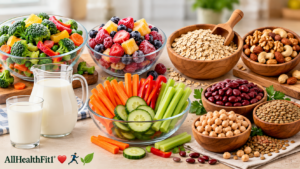 These remain relatively close to their original form.
Examples include:
• Frozen vegetables
• Frozen fruit
• Plain oats
• Roasted nuts
• Pasteurized milk
• Fresh-cut vegetables
• Dried beans and lentils
Processed Foods
These generally begin with recognizable foods and have ingredients such as salt, sugar, or oil added for preservation, flavor, or preparation.
Examples may include:
• Canned beans
• Canned vegetables
• Cheese
• Canned tuna or salmon
• Some breads
• Nut butters
• Canned tomatoes
Ultra-Processed Foods
Ultra-processed foods are generally industrial formulations containing multiple ingredients and may include substances not commonly used in home cooking.
Examples may include:
• Sugar-sweetened soft drinks
• Packaged snack cakes
• Candy
• Many packaged chips and snacks
• Some sweetened breakfast cereals
• Certain frozen meals
• Some processed meat products
• Many commercially prepared desserts
This distinction is important.
A frozen vegetable and a packaged snack cake have both been “processed,” but their effects on nutritional quality are very different.
What Happens Inside Your Body After You Eat Processed Foods?
Once food enters the digestive system, the body begins breaking carbohydrates, proteins, and fats into smaller components that can be absorbed and used for energy, repair, and normal physiological functions.
The body does this whether a food came directly from a garden or from a package.
However, the nutritional composition and physical structure of the food can influence what happens next.
Blood Sugar and Insulin
Highly refined carbohydrates can be digested relatively quickly, particularly when they contain little fiber.
Blood glucose may rise more rapidly after eating these foods, prompting the pancreas to release insulin.
Insulin helps move glucose from the bloodstream into cells where it can be used for energy or stored.
Repeatedly consuming large portions of foods high in refined carbohydrates and added sugars can make it easier to consume excessive calories and may contribute to unhealthy dietary patterns associated with weight gain and metabolic disease.
This does not mean every processed carbohydrate produces the same response.
Fiber, protein, fat, portion size, and the overall composition of a meal can all influence the body’s glucose response.
Sodium and Blood Pressure
Sodium is another important consideration.
Salt is frequently added to processed foods for flavor and preservation, and packaged and restaurant foods can contribute substantially to daily sodium intake.
Excessive sodium intake can contribute to elevated blood pressure in susceptible individuals. High blood pressure is an important risk factor for cardiovascular disease and stroke.
Reading the Nutrition Facts label can help consumers compare similar products and select lower-sodium choices.
Added Sugars
Added sugars contribute calories without providing the same nutritional package found in naturally sweet foods such as whole fruit.
Frequently consuming large amounts of added sugar—particularly through sugar-sweetened beverages, desserts, and snacks—may contribute to excess calorie intake, weight gain, type 2 diabetes, and cardiovascular risk.
Again, the key is the overall dietary pattern rather than one occasional food.
Processed Foods, Appetite, Weight, and Metabolic Health
One of the most interesting areas of nutrition research involves whether highly processed foods may influence how much people eat.
In a controlled National Institutes of Health study, 20 adults were provided either an ultra-processed or minimally processed diet for two weeks and then switched to the other diet.
Participants were allowed to eat as much or as little as they wanted.
During the ultra-processed portion of the study, participants consumed approximately 500 more calories per day and gained weight. During the minimally processed portion, they ate fewer calories and lost weight.
Researchers are continuing to investigate why this happens.
Several factors may contribute, including energy density, eating speed, food texture, palatability, and nutritional composition.
This does not prove that every ultra-processed food causes weight gain.
It does, however, reinforce an important principle: the types of foods available in the diet may influence how easily a person consumes more energy than the body requires.
Cardiovascular and Metabolic Health
Research has also associated diets high in many ultra-processed foods with poorer cardiometabolic health.
The American Heart Association has reported that many commonly consumed ultra-processed foods are high in saturated fat, added sugars, and sodium. Higher consumption has been associated with cardiovascular disease, obesity, type 2 diabetes, and other adverse health outcomes.
However, there is an important qualification.
Not every food classified as ultra-processed has poor nutritional quality.
Certain whole-grain breads, lower-sugar dairy products, and some plant-based foods may undergo substantial processing while still providing valuable nutrients.
For this reason, I encourage readers to consider both how processed a food is and what the food actually contains.
How to Choose Healthier Processed Foods
Avoiding every processed food is neither necessary nor realistic for most people.
Processed foods can save time, reduce food waste, improve food safety, and make nutritious foods available throughout the year.
The goal is to become more selective.
Read the Nutrition Facts Label
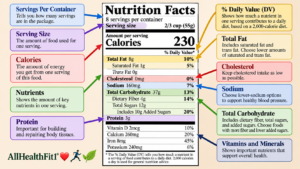 Compare products for:
• Added sugars
• Sodium
• Saturated fat
• Dietary fiber
• Protein
• Serving size
For example, two seemingly similar breakfast cereals may contain dramatically different amounts of added sugar and fiber.
The same can be true of bread, yogurt, soups, sauces, and frozen meals.
Look at the Ingredient List
An ingredient list can provide additional information about what is in a product.
Rather than assuming that a long ingredient list automatically makes a food unhealthy, consider the overall nutritional profile.
A packaged food containing whole grains, beans, vegetables, nuts, seeds, or other nutrient-rich ingredients may be very different from a product dominated by refined starches, added sugars, and saturated fats.
Choose Nutritious Convenience Foods
Convenience and good nutrition can coexist.
Consider keeping foods such as:
• Frozen vegetables
• Frozen fruit without added sugar
• Canned beans
• Canned tuna or salmon
• Plain Greek yogurt
• Whole-grain bread
• Natural peanut or nut butter
• Low-sodium soups
• Plain oatmeal
• Pre-cut vegetables
• Unsalted nuts and seeds
These foods can make preparing nutritious meals easier without requiring every ingredient to be completely unprocessed.
Creating a Healthier Balance Without Giving Up Convenience
Healthy eating does not require perfection.
For many families, completely eliminating packaged foods would be impractical, expensive, and unnecessarily restrictive.
A more sustainable approach is to gradually shift the balance toward nutrient-dense foods.
🍃 AllHealthFit1® Recommended Product: Make Healthy Meal Preparation Easier
OXO Good Grips Prep & Go 4.1-Cup Divided Container
Preparing nutritious meals at home can help reduce reliance on highly processed convenience foods. The OXO Good Grips Prep & Go Divided Container offers a practical way to organize and store homemade meals, making healthier food choices more convenient.
Its divided design helps keep different foods separated, making it useful for packing vegetables, lean proteins, whole grains, and other nutritious ingredients.
Small steps, such as preparing meals ahead of time, can help support a balanced eating pattern and healthier everyday habits.

Start With One Meal
Breakfast may be an easy place to begin.
Instead of a highly sweetened breakfast pastry and sugary beverage, consider oatmeal with fruit and nuts, eggs with whole-grain toast, or plain Greek yogurt with berries.
Make Simple Swaps
Small changes can accumulate over time.
Consider:
• Water or unsweetened beverages instead of sugary drinks
• Whole-grain bread instead of highly refined white bread
• Plain yogurt with fruit instead of heavily sweetened yogurt
• Unsalted nuts instead of some packaged snack foods
• Frozen vegetables instead of skipping vegetables entirely
• Lower-sodium canned beans instead of eliminating convenient canned foods
🍃 AllHealthFit1® Recommended Product
Clearly Filtered Water Pitcher & Replacement Filters
Choosing water instead of sugar-sweetened beverages is a simple way to reduce added sugar intake and support healthier everyday nutrition habits.
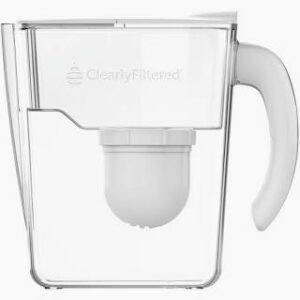
The Clearly Filtered Water Pitcher offers a convenient way to enjoy filtered drinking water at home. Its filtration technology is designed to reduce a wide range of contaminants, while replaceable filters help maintain the pitcher’s performance over time.
Keeping filtered water readily available may encourage individuals and families to choose water more frequently instead of soda, sweetened teas, and other sugary beverages.
Small, consistent changes in beverage choices can contribute to a healthier overall dietary pattern.
👉Shop Clearly Filtered Products
Build Meals Around Whole and Minimally Processed Foods
A practical meal might include:
Protein + vegetables or fruit + a fiber-rich carbohydrate + a healthy source of fat
For example:
Grilled chicken, frozen vegetables, brown rice, and olive oil can create a nutritious meal without requiring hours in the kitchen.
Beans, canned tomatoes, frozen vegetables, and seasonings can become a quick soup.
Convenience should not be viewed as the enemy of healthy eating.
The goal is to make convenience work in favor of better nutrition.
Pay Attention to Frequency
An occasional cookie, frozen pizza, or bag of chips is unlikely to determine a person’s overall health.
Problems are more likely to arise when nutrient-poor, highly processed foods routinely displace vegetables, fruits, whole grains, legumes, lean proteins, and other nutrient-rich foods.
A person’s overall eating pattern matters far more than a single food choice.
Prevention and Long-Term Health
Nutrition is one component of a much larger health picture.
A balanced dietary pattern can work alongside regular physical activity, adequate sleep, appropriate hydration, avoidance of tobacco, weight management when appropriate, and preventive healthcare.
Key Strategies
• Choose whole or minimally processed foods more frequently
• Read Nutrition Facts labels
• Compare sodium and added sugar between similar products
• Include vegetables and fruits regularly
• Choose fiber-rich whole grains
• Include nutritious protein sources
• Limit frequent consumption of sugar-sweetened beverages
• Prepare meals at home when practical
• Keep nutritious convenience foods available
• Focus on overall dietary patterns rather than perfection
The Centers for Disease Control and Prevention encourages choosing vegetables, fruits, fiber-rich whole grains, varied protein foods, and healthier fats while limiting highly processed foods and added sugars.
I encourage readers to begin with realistic changes.
Replacing even a few frequently consumed, nutrient-poor foods with more nutritious alternatives can gradually improve the overall quality of a person’s diet.
🌿 AllHealthFit1™ Pro Tip
Not all processed foods are unhealthy; focus on choosing nutrient-rich options containing fiber, protein, whole grains, and healthy fats while limiting added sugars, sodium, and saturated fats.
FAQ
1. Are all processed foods unhealthy?
No. Processing includes methods such as freezing, pasteurizing, cooking, fermenting, and canning. Many processed foods, including frozen vegetables, canned beans, yogurt, and certain whole-grain breads, can contribute valuable nutrients to a healthy diet.
2. What is the difference between processed and ultra-processed foods?
Processed foods are generally recognizable foods that have been altered or combined with ingredients such as salt, oil, or sugar. Ultra-processed foods typically undergo more extensive industrial processing and may contain refined ingredients, flavorings, emulsifiers, sweeteners, colors, and other additives.
3. Can processed foods cause weight gain?
No single processed food automatically causes weight gain. However, diets containing large amounts of calorie-dense, highly processed foods may make it easier to consume excess calories. Controlled research has demonstrated greater calorie intake and weight gain during an ultra-processed diet compared with a minimally processed diet.
4. Should I stop eating packaged foods?
Not necessarily. Many nutritious foods are packaged for convenience and preservation. Reading Nutrition Facts labels and ingredient lists can help distinguish more nutritious choices from foods high in sodium, added sugars, or saturated fat.
5. What is the easiest way to reduce highly processed foods?
Start gradually. Replacing sugary beverages with water, choosing fruit or nuts for some snacks, selecting lower-sodium products, and including more vegetables, beans, whole grains, and nutritious protein foods are practical places to begin.
🌿 Your Health Journey Continues—Explore More!
Muscle Loss After 50: Are You Getting Enough Protein?
Can Drinking More Water Help Prevent UTIs? Here’s What You Should Know
🌿 Stay Connected With Our “Healthy You Insider” Newsletter
Receive weekly evidence-based insights on health & wellness, nutrition, fitness, and preventive health to support your journey to a healthier you.
📚 References
1. American Heart Association. Ultraprocessed Foods and Their Association With Cardiometabolic Health: Evidence, Gaps, and Opportunities. Circulation. Science Advisory, 2025.
2. Hall KD, et al. Ultra-Processed Diets Cause Excess Calorie Intake and Weight Gain: An Inpatient Randomized Controlled Trial of Ad Libitum Food Intake. Cell Metabolism. 2019;30(1):67–77.e3.
3. Centers for Disease Control and Prevention. How to Have Healthier Meals and Snacks. Updated April 29, 2026.
4. Centers for Disease Control and Prevention. Nutrition Facts Label and Your Health. Updated April 14, 2026.
Affiliate Disclosure
As an Amazon Associate, AllHealthFit1® earns from qualifying purchases. AllHealthFit1® also participates in other affiliate marketing programs with select health, wellness, and lifestyle partners. This article may contain affiliate links, and if you choose to make a purchase through these links, I may earn a small commission at no additional cost to you. Your support helps sustain the development of evidence-based health education and wellness resources through AllHealthFit1®.
⚕️ Medical Disclaimer:
Content on AllHealthFit1™ is provided for educational and informational purposes only and is not intended as medical advice. Always consult a qualified healthcare professional regarding medical concerns, symptoms, screening, laboratory testing, diagnosis, or treatment decisions.
🩺 In Health & Wellness,
Marjorie DiCarlo, M.D., Ph.D., M.P.H.
AllHealthFit1® ❤️🏃♀️🍃