A comprehensive, evidence-based guide exploring simple daily nutrition habits that can support heart health, healthy aging, weight management, digestive wellness, and overall well-being. Learn practical strategies for making healthier food choices, staying hydrated, planning balanced meals, and developing lifelong eating habits that promote better health at every stage of life.
By Marjorie DiCarlo, M.D., Ph.D., M.P.H., M.B.A., B.S.N.
🌿 Introduction
Good nutrition is one of the most powerful tools for promoting lifelong health. While fad diets and nutrition trends frequently dominate headlines, scientific evidence continues to support a simple truth: consistently eating a balanced, nutrient-rich diet is one of the best ways to reduce the risk of chronic disease and improve quality of life.
Healthy eating is not about perfection or eliminating favorite foods. Instead, it involves developing sustainable habits that nourish the body, provide essential nutrients, and support physical and mental well-being over time. Whether someone is in their twenties, raising a family, or enjoying retirement, healthy nutrition habits can help maintain energy, strengthen the immune system, support heart health, and promote healthy aging.
Research has shown that diets rich in fruits, vegetables, whole grains, lean proteins, and healthy fats are associated with lower risks of cardiovascular disease, type 2 diabetes, obesity, certain cancers, and other chronic conditions. Small, consistent improvements often produce greater long-term health benefits than dramatic dietary changes that are difficult to maintain.
The good news is that improving nutrition does not have to be complicated. Simple daily habits can make a significant difference over time.
The following ten evidence-based nutrition habits can help individuals of all ages build a healthier lifestyle while supporting overall wellness for years to come.
🥗 1. Fill Half Your Plate with Fruits and Vegetables
One of the simplest ways to improve overall nutrition is to make fruits and vegetables the foundation of every meal. These foods are naturally rich in vitamins, minerals, fiber, antioxidants, and phytochemicals that help support normal body functions while protecting cells from oxidative stress.
Health experts generally recommend consuming a variety of colorful produce because different colors provide different nutrients.
For example:
- 🥬 Dark leafy greens provide vitamin K, folate, and lutein.
- 🍅 Tomatoes contain lycopene, an antioxidant associated with heart health.
- 🥕 Orange vegetables such as carrots and sweet potatoes are rich in beta-carotene, which supports healthy vision and immune function.
- 🫐 Blueberries and other berries contain anthocyanins, powerful antioxidants that support healthy aging.
Fresh, frozen, and no-salt-added canned vegetables can all be healthy choices.
Simple Tip: Try adding berries to breakfast, a salad to lunch, and steamed vegetables to dinner to naturally increase daily nutrient intake.
💧 2. Make Hydration Part of Your Daily Routine
Water is essential for nearly every system in the human body. Proper hydration supports digestion, circulation, temperature regulation, kidney function, joint health, and cognitive performance.
Even mild dehydration may contribute to fatigue, headaches, reduced concentration, and decreased physical performance. Drinking water consistently throughout the day helps maintain normal body functions and may also help reduce unnecessary snacking, as thirst is sometimes mistaken for hunger.
Many people find it easier to stay hydrated when clean, great-tasting water is readily available.
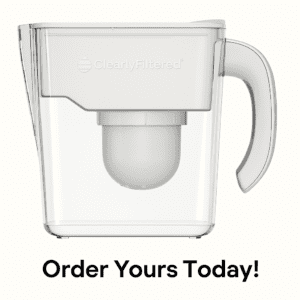
One option is the Clearly Filtered Water Pitcher, which is designed to reduce many common contaminants found in tap water while providing fresh, filtered drinking water. Keeping a pitcher of filtered water in the refrigerator can make healthy hydration more convenient for the entire family.
____________________________________________________________________________________________
💧 Clearly Filtered Water Pitcher — Make Every Sip Count!
Healthy hydration starts with making water a convenient part of your daily routine!
Water plays an essential role in supporting kidney function, digestion, circulation, temperature regulation, and overall wellness. However, staying consistently hydrated can be challenging when drinking water is not readily available or enjoyable.
The Clearly Filtered Water Pitcher offers a convenient way to enjoy filtered drinking water at home. Its filtration technology is designed to reduce a wide range of common tap-water contaminants, making it a practical addition to a health-conscious household.
Why Consider the Clearly Filtered Water Pitcher?
- 💧 Supports daily hydration habits: Having filtered water readily available may encourage more frequent water consumption.
- 🌿 Advanced filtration: Designed to reduce many common contaminants found in tap water.
- ❤️ Supports a wellness-focused lifestyle: Convenient access to drinking water makes it easier to maintain healthy hydration routines.
- 🏡 Everyday convenience: Keep filtered water available for drinking, preparing beverages, and everyday household use.
AllHealthFit1® Wellness Tip: Keep a pitcher of filtered water in your refrigerator and refill your reusable water bottle throughout the day. Small hydration habits can make a meaningful difference over time.
👉 Learn More About Clearly Filtered® Water Pitchers & Filters
________________________________________
🍗 3. Choose Lean Protein with Every Meal
Protein is an essential nutrient that helps build and repair muscles, supports immune function, and contributes to healthy skin, bones, and organs.
Including a source of lean protein at each meal may help promote satiety while supporting healthy muscle maintenance throughout life.
Excellent protein choices include:
- Fish
- Skinless poultry
- Beans
- Lentils
- Greek yogurt
- Eggs
- Tofu
- Nuts and seeds
Fatty fish such as salmon, trout, sardines, and mackerel also provide omega-3 fatty acids, which have been associated with cardiovascular and brain health.
For older adults, adequate protein intake becomes increasingly important for preserving muscle mass and maintaining independence as they age.
🌾 4. Choose Whole Grains More Often
Whole grains provide important nutrients that refined grains often lack, including dietary fiber, B vitamins, magnesium, and iron. Unlike refined grains, whole grains retain all parts of the grain kernel, making them a more nutritious choice.
Examples of healthy whole grains include:
- Oatmeal
- Brown rice
- Quinoa
- Whole wheat bread
- Whole grain pasta
- Barley
Fiber found in whole grains supports digestive health, helps regulate blood sugar, promotes fullness after meals, and may contribute to healthier cholesterol levels.
Simple Tip: Replace white bread with whole-grain bread or choose brown rice instead of white rice whenever possible.
________________________________________________________________________________________________________________________________________
🍽️ 5. Plan Meals and Practice Portion Control
Healthy eating begins long before sitting down at the dinner table. Planning meals ahead of time can reduce reliance on convenience foods while making it easier to enjoy balanced, nutritious meals throughout the week.
Meal preparation also helps support portion control, an important factor in maintaining a healthy weight.
Preparing meals in advance using reusable Glass Food Storage Containers with Tempered Glass Lids can help organize healthy lunches, dinners, snacks, and leftovers while keeping foods fresh. Having balanced meals readily available often reduces the temptation to choose less nutritious options during busy days.
Additional portion control strategies include:
- Using smaller dinner plates
- Eating slowly
- Paying attention to hunger and fullness cues
- Limiting distractions while eating
Developing mindful eating habits allows individuals to enjoy their favorite foods while maintaining healthier portion sizes.
______________________________________________________________________________________
🍱 10-Pack Glass Food Storage Containers with Tempered Glass Lids — Simplify Healthy Meal Preparation!
Healthy eating becomes easier when nutritious meals are already prepared and waiting for you!
One of the most effective ways to maintain a balanced diet is to plan meals ahead of time. Preparing nutritious foods in advance can help reduce last-minute food decisions, encourage portion awareness, and make home-cooked meals more convenient.
The 10-Pack Glass Food Storage Containers with Tempered Glass Lids provides a practical solution for organizing prepared meals, storing leftovers, and keeping healthy food options readily available throughout the week.
Why These Glass Food Storage Containers May Be Worth Considering
- 🥗 Encourage healthy meal preparation: Prepare balanced meals featuring vegetables, lean proteins, and whole grains.
- ⚖️ Support portion awareness: Dividing meals into individual containers can make serving sizes easier to manage.
- 🍓 Make nutritious snacks convenient: Store prepared fruit, vegetables, and other wholesome snacks.
- ♻️ Reusable glass construction: Provides an alternative to disposable food storage containers.
- 🏡 Simplify weekly meal planning: Organize lunches, dinners, and leftovers to reduce food waste and save preparation time.
AllHealthFit1® Wellness Tip: Dedicate one day each week to preparing a few balanced meals. Include colorful vegetables, lean proteins, whole grains, and healthy fats to make nutritious eating easier during busy days.
👉 Explore the 10-Pack Glass Food Storage Containers on Amazon
________________________________________
🥑 6. Include Healthy Fats Every Day
Not all fats are created equal. While trans fats should be avoided whenever possible, healthy unsaturated fats provide numerous benefits for cardiovascular health and overall wellness.
Healthy fat sources include:
- Avocados
- Olive oil
- Nuts
- Seeds
- Fatty fish
- Natural nut butters
These foods provide essential fatty acids that support brain function, hormone production, and healthy cholesterol levels.
Replacing saturated fats with healthier unsaturated fats may help reduce cardiovascular risk when combined with an overall balanced eating pattern.
🧂 7. Limit Added Sodium and Highly Processed Foods
Many packaged and restaurant foods contain surprisingly large amounts of sodium, even when they don’t taste salty.
Excess sodium intake has been associated with elevated blood pressure, an important risk factor for heart disease and stroke.
Simple ways to reduce sodium include:
- Reading Nutrition Facts labels
- Choosing lower-sodium products
- Cooking more meals at home
- Flavoring foods with herbs, garlic, lemon juice, and spices instead of salt
Minimizing highly processed foods also helps reduce added sugars, unhealthy fats, and excess calories.
🍎 8. Choose Healthy Snacks
Nutritious snacks can help maintain energy between meals while preventing excessive hunger.
Healthier snack choices include:
- Fresh fruit
- Greek yogurt
- Raw vegetables with hummus
- Unsalted nuts
- Cottage cheese
- Whole-grain crackers
Planning healthy snacks ahead of time makes it easier to avoid vending machine or fast-food choices.
Whenever possible, choose snacks that combine protein and fiber to help increase satiety.
📖 9. Read Nutrition Labels
Learning how to interpret Nutrition Facts labels is one of the most valuable skills for making healthier food choices.
When comparing products, pay attention to:
- Serving size
- Calories
- Fiber content
- Added sugars
- Sodium
- Saturated fat
Ingredients are listed in descending order by weight, meaning the first few ingredients make up most of the product.
Choosing foods with shorter ingredient lists and recognizable ingredients often supports healthier eating habits.
10. Focus on Consistency, Not Perfection
One of the greatest misconceptions about healthy eating is that every meal must be perfect.
In reality, long-term health is built through consistent daily habits rather than occasional perfect choices.
Enjoying favorite foods in moderation while maintaining an overall balanced eating pattern is often more sustainable than restrictive diets.
Healthy nutrition should fit into everyday life rather than become a source of stress.
Small improvements made consistently over months and years can significantly improve overall health, energy, and quality of life.
🌿 Conclusion
Healthy nutrition is not about following the latest fad diet or striving for perfection. Instead, it is about developing practical habits that support lifelong wellness.
Choosing more fruits and vegetables, staying well hydrated, eating lean proteins, selecting whole grains, planning balanced meals, and making mindful food choices can all contribute to better health over time.
Every healthy choice builds upon the next. Whether someone begins by drinking an extra glass of water each day or preparing healthier meals for the week, these small steps often lead to lasting improvements in overall well-being.
Remember, the goal is progress—not perfection. Consistency remains one of the most powerful ingredients for lifelong health.
🌿 Your Wellness Journey Doesn’t End Here—Explore More!
❤️ What Is Heart Disease? Causes, Risk Factors, and Why Early Detection Matters
💧 The Connection Between Hydration and Urinary Tract Health: Simple Habits That May Help Prevent UTIs
____________________________________________
💌 Stay Inspired, Stay Informed, Stay Healthy!
🌿 Want more evidence-based health tips, wellness insights, and practical strategies for healthier living?
Subscribe to Healthy You Insider, the FREE AllHealthFit1® newsletter, and receive valuable health and wellness information delivered directly to your inbox.
❤️ Your journey to better health starts with knowledge. Subscribe today and let’s stay healthy together!
______________________________________________________________________________________________________________________________________
📚 References
- American Heart Association — Dietary Guidance to Improve Cardiovascular Health
American Heart Association — Dietary Guidance - American Heart Association — Diet and Lifestyle Recommendations
American Heart Association — Diet and Lifestyle Recommendations - U.S. Food and Drug Administration — Added Sugars on the Nutrition Facts Label
FDA — Added Sugars on the Nutrition Facts Label - National Academies — Dietary Reference Intakes for Water and Electrolytes
National Academies — Dietary Reference Intakes
🔗 Affiliate Disclosure
🛒 As an Amazon Associate, AllHealthFit1® earns from qualifying purchases. AllHealthFit1® also participates in other affiliate marketing programs with select health, wellness, and lifestyle partners. This article may contain affiliate links, and if you choose to make a purchase through these links, I may earn a small commission at no additional cost to you. Your support helps sustain the development of evidence-based health education and wellness resources through AllHealthFit1®.
⚕️ Medical Disclaimer:
Content on AllHealthFit1™ is provided for educational and informational purposes only and is not intended as medical advice. Always consult a qualified healthcare professional regarding medical concerns, symptoms, screening, laboratory testing, diagnosis, or treatment decisions.
In Health & Wellness,
Marjorie DiCarlo, M.D., Ph.D., M.P.H., M.B.A., B.S.N.
Founder, AllHealthFit1™ ❤️🏃♀️🍃
🌐 AllHealthFit1.com