

🌿 Beyond the Scale: Why a Healthy Weight Matters More Than You Think 🌿
📖 Article Summary
A healthy weight is about much more than appearance or a number on the scale. Maintaining a weight that supports overall health may help reduce the risk of type 2 diabetes, cardiovascular disease, high blood pressure, sleep apnea, joint problems, fatty liver disease, and other chronic conditions. This article explores how body weight influences metabolic and physical health, practical strategies for sustainable weight management, and when clinician-guided treatment options may be appropriate.
By Marjorie DiCarlo, M.D., Ph.D., M.P.H.
🌿 Introduction
Approximately 40.3% of U.S. adults age 20 and older have obesity, while about 72.4% have overweight or obesity, according to recent National Center for Health Statistics data covering August 2021 through August 2023. CDC
These numbers highlight why healthy weight management has become an important public health issue. Weight is often discussed in terms of appearance, clothing size, or numbers on a scale. However, its relationship with health extends much further.
Excess body weight, particularly excess abdominal fat, may contribute to metabolic changes that increase the likelihood of developing conditions such as type 2 diabetes, hypertension, cardiovascular disease, fatty liver disease, sleep apnea, and osteoarthritis. NIDDK
At the same time, body weight should never be viewed in isolation. Genetics, age, medications, sleep, physical activity, nutrition, medical conditions, socioeconomic circumstances, and other factors may influence body weight and overall health. Body mass index (BMI) can be a useful screening measurement, but it does not directly measure body fat or describe where body fat is distributed. CDC
Understanding these factors can help shift the conversation away from simply “losing weight” toward achieving and maintaining a weight that supports long-term health.
🌿 Why Healthy Weight Is About More Than Appearance
Healthy weight management is ultimately about supporting the body’s ability to function effectively.
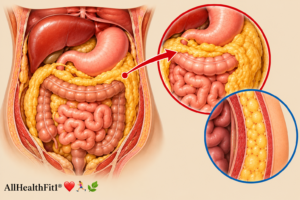
Excess body fat—particularly visceral fat stored around the abdominal organs—can influence blood pressure, blood glucose regulation, cholesterol levels, inflammation, and cardiovascular health.
According to the National Institute of Diabetes and Digestive and Kidney Diseases (NIDDK), overweight and obesity are associated with increased risks of numerous health conditions, including type 2 diabetes, high blood pressure, heart disease, stroke, metabolic syndrome, fatty liver disease, sleep apnea, osteoarthritis, kidney disease, and some cancers. NIDDK
This does not mean that a particular number on the scale determines whether someone is healthy. Rather, weight is one component of a broader health picture that includes blood pressure, blood
glucose, cholesterol, physical fitness, waist circumference, nutrition, sleep, and other clinical indicators.
Even relatively modest changes can matter. For people at increased risk for type 2 diabetes, NIDDK reports that losing approximately 5% to 7% of starting body weight may help prevent or delay the development of the disease. NIDDK
The goal therefore does not necessarily have to be dramatic weight loss. Sustainable improvements in metabolic health may begin with smaller, achievable changes.
🌿 How Excess Weight Can Affect the Heart and Metabolism
One of the most significant relationships between body weight and health involves cardiovascular and metabolic function.
When a person carries excess weight, the heart may need to work harder to circulate blood throughout the body. Excess weight is also associated with conditions that increase cardiovascular risk, including hypertension, elevated cholesterol, and elevated blood glucose. NIDDK
Insulin resistance is another important consideration. When cells become less responsive to insulin, the body may need to produce increasingly larger amounts of the hormone to maintain normal blood glucose levels. Over time, this process may contribute to prediabetes and type 2 diabetes.
Excess abdominal fat is particularly important because waist size and fat distribution can provide additional information about metabolic risk beyond body weight alone.
Weight management can therefore support several aspects of health simultaneously, including:
• Blood pressure
• Blood glucose regulation
• Cholesterol and triglyceride levels
• Cardiovascular health
• Metabolic function
• Liver health
For individuals with overweight or obesity, achieving sustainable weight reduction may improve several of these health markers.
🌿 Weight, Joints, Sleep, and Everyday Quality of Life
The effects of excess body weight are not limited to cardiovascular and metabolic health.
Additional weight places greater mechanical stress on weight-bearing joints, particularly the knees, hips, ankles, and lower back. Obesity is an important risk factor for osteoarthritis, and weight reduction may decrease stress on these joints and improve symptoms for some individuals. NIDDK
Body weight can also influence breathing during sleep. Obesity is a common contributor to obstructive sleep apnea because additional tissue around the neck and upper airway may increase the likelihood of airway narrowing or obstruction during sleep. NIDDK
Maintaining a healthier weight may also make everyday activities easier. Walking, climbing stairs, exercising, performing household activities, and participating in recreational activities may become more comfortable as physical conditioning improves.
During my years working in healthcare, I have seen how improvements in weight, mobility, nutrition, and physical activity can influence much more than a person’s appearance. Patients frequently value improvements in energy, mobility, laboratory measurements, and the ability to participate more comfortably in everyday activities.
Those outcomes can be just as meaningful as the number displayed on a scale.
🌿 Building Sustainable Habits for Healthy Weight Management
 Long-term weight management rarely depends on a single food, supplement, exercise program, or temporary diet.
A more sustainable approach focuses on habits that can realistically become part of everyday life.
Balanced Nutrition
Meals that emphasize vegetables, fruits, whole grains, lean proteins, legumes, and healthy fats can provide important nutrients while supporting satiety.
Regular Physical Activity
Movement supports cardiovascular fitness, muscle strength, insulin sensitivity, mobility, and overall energy expenditure.
Activities do not have to be extreme. Walking, cycling, swimming, resistance training, dancing, gardening, and other enjoyable forms of movement can contribute to overall health.
Adequate Sleep
Sleep influences hormones involved in appetite and metabolism. Consistently inadequate sleep may make weight management more difficult.
Stress Management
Chronic stress can influence eating patterns, sleep, physical activity, and overall wellness. Relaxation exercises, mindfulness, enjoyable hobbies, and regular physical activity may help support stress management.
Realistic Goals
Weight-management plans are often more sustainable when they focus on gradual progress rather than perfection.
The objective is not simply to reach a certain number. It is to develop habits that can support health for years.
💧 Clearly Filtered® Water Pitchers & Filters
Clearly Filtered® offers water-filter pitchers and filtration systems designed to reduce a broad range of contaminants that may be present in drinking water.
According to Clearly Filtered, its filtration technology targets contaminants including lead, PFAS, fluoride, pesticides, pharmaceuticals, microplastics, and other substances, while retaining beneficial minerals. Because contaminant-reduction claims can vary by product and testing protocol, consumers should review the company’s current independent test results when choosing a filtration system.
For individuals working toward healthier lifestyle habits, keeping filtered water readily available at home may make choosing water instead of sugar-sweetened beverages more convenient.

👉 Learn More About Clearly Filtered® Water Pitchers & Filters
🌿 When Additional Weight-Management Support May Be Appropriate
Lifestyle changes remain foundational to healthy weight management, but they may not be sufficient for every individual.
Obesity is influenced by multiple biological, environmental, behavioral, and medical factors. Some individuals may benefit from additional support from a physician, registered dietitian, obesity-medicine specialist, or other qualified healthcare professional.
For appropriate patients, treatment may include structured nutritional counseling, behavioral interventions, prescription medications, or metabolic and bariatric surgery.
GLP-1-based medications have also become an increasingly prominent component of medical weight management. These medications affect biological pathways involved in appetite, satiety, glucose regulation, and digestion.
However, these treatments are not appropriate for everyone and require professional evaluation.
⚕️ HealthRX — Clinician-Guided Weight Management
HealthRX provides online weight-management evaluation through independent U.S.-licensed clinicians. According to HealthRX, clinicians review a patient’s medical history before determining whether treatment is appropriate. Its program includes access to compounded semaglutide and tirzepatide when prescribed for an individual patient. HealthRX.com
It is important to understand the distinction between FDA-approved medications and compounded products. HealthRX states that its compounded semaglutide and tirzepatide are prepared by a licensed 503A pharmacy and are not FDA-approved. HealthRX.com
The FDA emphasizes that compounded GLP-1 medications do not undergo FDA premarket review for safety, effectiveness, or quality and recommends that compounded drugs be used only when a patient’s medical needs cannot be met by an FDA-approved medication. U.S. Food and Drug Administration
Individuals considering prescription weight-management treatment should discuss potential benefits, risks, contraindications, medication interactions, and alternatives with a qualified healthcare professional.
👉Learn More About HealthRX Today!
Healthy weight management should focus on health improvement rather than perfection.
Instead of concentrating exclusively on the scale, consider changes in blood pressure, blood glucose, cholesterol, waist circumference, strength, endurance, mobility, sleep quality, and overall well-being.
Small improvements practiced consistently may contribute to meaningful long-term health benefits.
🌿 Frequently Asked Questions
1. Why is maintaining a healthy weight important?
Maintaining a weight that supports overall health may help reduce the risk of conditions including type 2 diabetes, hypertension, cardiovascular disease, sleep apnea, osteoarthritis, and fatty liver disease.
2. Is BMI the only way to determine a healthy weight?
No. BMI is a useful screening measurement, but it does not directly measure body fat or its distribution. Healthcare professionals may also consider waist circumference, blood pressure, laboratory results, medical history, physical fitness, and other factors. CDC
3. Does someone have to lose a large amount of weight to experience health benefits?
Not necessarily. For people at risk for type 2 diabetes, losing approximately 5% to 7% of starting body weight may help prevent or delay the disease. NIDDK
4. Are GLP-1 medications appropriate for everyone trying to lose weight?
No. Prescription weight-management medications require individualized medical assessment. A qualified healthcare professional should determine whether medication is appropriate based on medical history, current health, other medications, potential risks, and treatment goals.
5. Are compounded GLP-1 medications FDA-approved?
No. Compounded medications are not FDA-approved and do not undergo the FDA’s premarket review for safety, effectiveness, or quality. U.S. Food and Drug Administration
👇 Explore More Health & Wellness Topics!
🌿 The Modern Food Environment & Emotional Health: A Metabolic Perspective on What We Eat
🌿 Fiber 101: Why This Essential Nutrient Matters for Your Health
🌿 Stay Connected With Our “Healthy You Insider” Newsletter
Receive weekly evidence-based insights on health & wellness, nutrition, fitness, and preventive health to support your journey to a healthier you.
📚 References
- Centers for Disease Control and Prevention — Prevalence of Overweight, Obesity, and Severe Obesity Among U.S. Adults CDC
- National Institute of Diabetes and Digestive and Kidney Diseases — Health Risks of Overweight & Obesity NIDDK
- U.S. Food and Drug Administration — FDA’s Concerns With Unapproved GLP-1 Drugs Used for Weight Loss U.S. Food and Drug Administration
- HealthRX — GLP-1 Weight-Loss Treatment HealthRX.com
🔗 Affiliate Disclosure
🛒 As an Amazon Associate, AllHealthFit1® earns from qualifying purchases. AllHealthFit1® also participates in other affiliate marketing programs with select health, wellness, and lifestyle partners. This article may contain affiliate links, and if you choose to make a purchase through these links, I may earn a small commission at no additional cost to you. Your support helps sustain the development of evidence-based health education and wellness resources through AllHealthFit1®.
⚕️ Medical Disclaimer:
Content on AllHealthFit1™ is provided for educational and informational purposes only and is not intended as medical advice. Always consult a qualified healthcare professional regarding medical concerns, symptoms, screening, laboratory testing, diagnosis, or treatment decisions.
🩺 In Health & Wellness,
Marjorie DiCarlo, M.D., Ph.D., M.P.H.
AllHealthFit1® ❤️🏃♀️🍃